
Welcome:
Login
|
Sign Up
|
About CircleID
Follow:
|
|
|

 Telegram says it has applied for .gram, potentially giving a billion users DNS addresses while putting its governance, abuse controls, legal exposure and infrastructure under scrutiny as ICANN prepares to reveal applications.
 CISOs expect social media impersonation to become their leading cybersecurity threat as attackers increasingly combine AI-enabled deception, executive impersonation, and domain abuse across multiple channels to conduct fraud and steal sensitive information.
 DNS abuse enforcement can stop abusive domains and drive systemic registrar reforms, but reporting barriers, inconsistent response times, and poorly documented complaints leave many phishing sites active before actionable cases ever reach enforcement.
Russia is imposing state identity verification on .su, the Soviet Union's surviving domain, as researchers uncover criminal infrastructure across the namespace and ICANN pursues a retirement process that could eventually remove it from the global root.
 Research suggests criminals may control a striking share of newly registered gTLD domains, raising questions about whether ICANN's definitions, contractual safeguards and enforcement mechanisms are keeping pace with the industrial scale of technology-facilitated harm.
 Reagan-era cyber strategists anticipated today's transnational threats, proposing international treaties, public-private cooperation and infrastructure protections. As America again considers aggressive action against cybercriminals, their largely forgotten blueprint offers both lessons and warnings.
 Inactive cybersquatted domains may conceal active email infrastructure. MX records can corroborate bad faith in UDRP disputes when weighed with other evidence, helping panels address fraud risks before harm occurs without conflating capability with misconduct.
India's DNS abuse crisis exposes a registrar accountability gap: malicious domains remain online while vulnerable users bear the cost. Concentrated abuse patterns suggest stronger oversight and faster mitigation could significantly reduce predictable harms nationwide today.
 Measuring online abuse can reveal its scale, but not who should intervene. Effective policy must distinguish harm from contractual responsibility, identify the actors best placed to act, and target remedies where they can work effectively.
 Authors defend research showing malicious domain registrations occur at industrial scale, arguing that blocklist data is reliable and that policymakers must prioritize prevention alongside mitigation to curb cybercriminal exploitation of the domain name market globally.
 As governments, economies and essential services become ever more dependent on connectivity, the internet can no longer be viewed solely as a right. It must be treated as critical infrastructure, protected, regulated and made resilient against disruption.
Artificial intelligence is transforming phishing and DNS abuse, erasing the linguistic clues that once exposed scams. As attacks become personalised, automated and multilingual, governance frameworks are struggling to keep pace with a rapidly expanding threat surface.
 Third-party domain registrations tied to FIFA are surging ahead of the 2026 World Cup, revealing how major events fuel brand abuse, customer confusion, and fraud, from fake ticket sites to sophisticated scams timed to exploit peak fan interest.
 Quantum computing is advancing toward a point where today's encryption could fail, exposing years of stored data. While post-quantum defenses are emerging, experts warn that hackers are already stockpiling sensitive information for future decryption.
Cybercriminals are becoming a major force in the domain-name market, driving an estimated one-fifth of new gTLD registrations in 2025 and exposing how commercial incentives, weak enforcement, and scale continue to fuel online abuse.
 FulcrumSec Claims 86 GB Data Theft in Manchester Airports Breach
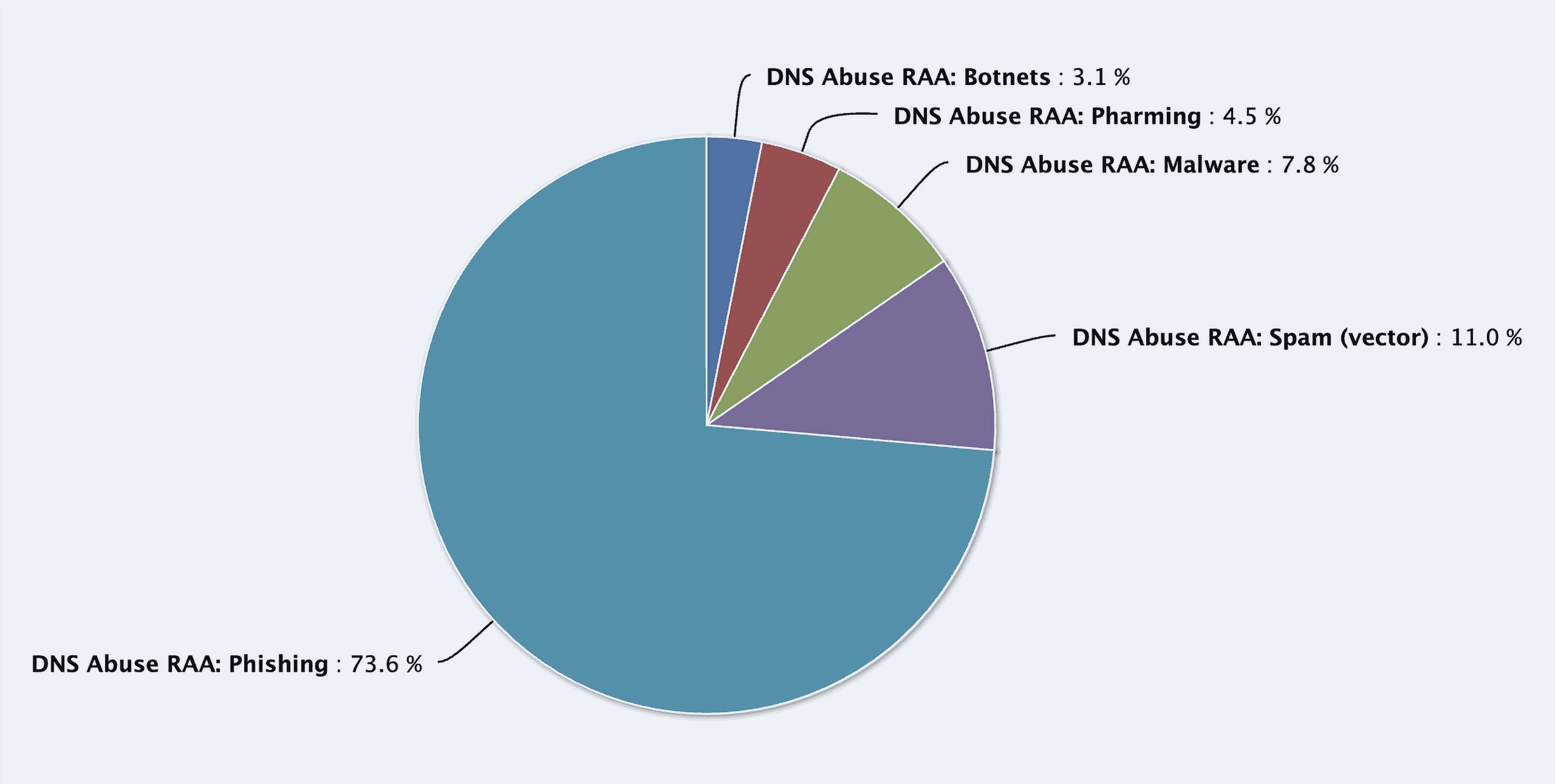 ICANN’s New Data Sharpens the Picture of DNS-abuse Enforcement
 ZEGO’s Cyberattack Pushes Bavarian Textile Firm Into Insolvency
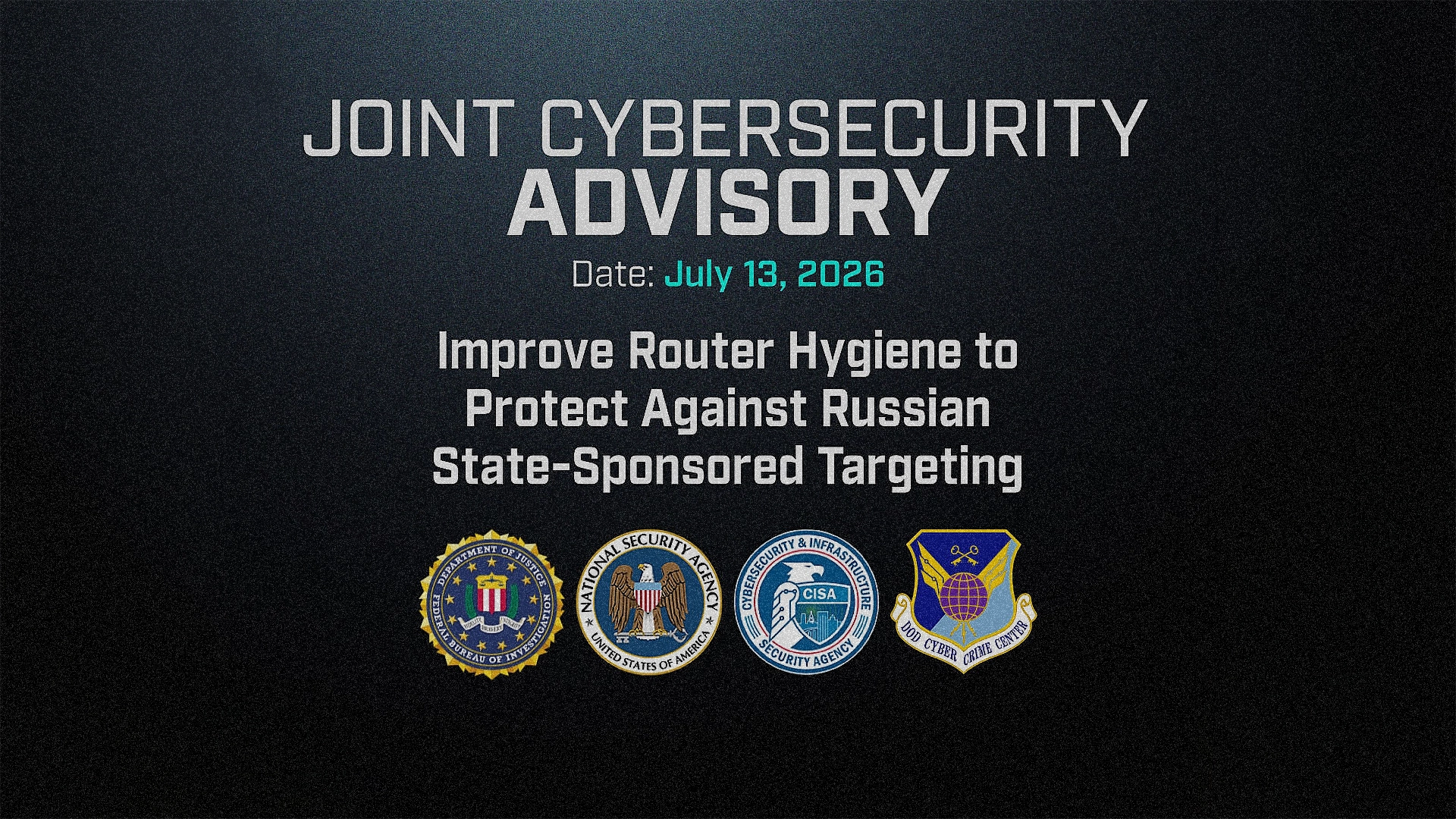 FBI Warns of Russian Cyber Campaign Targeting Vulnerable Routers
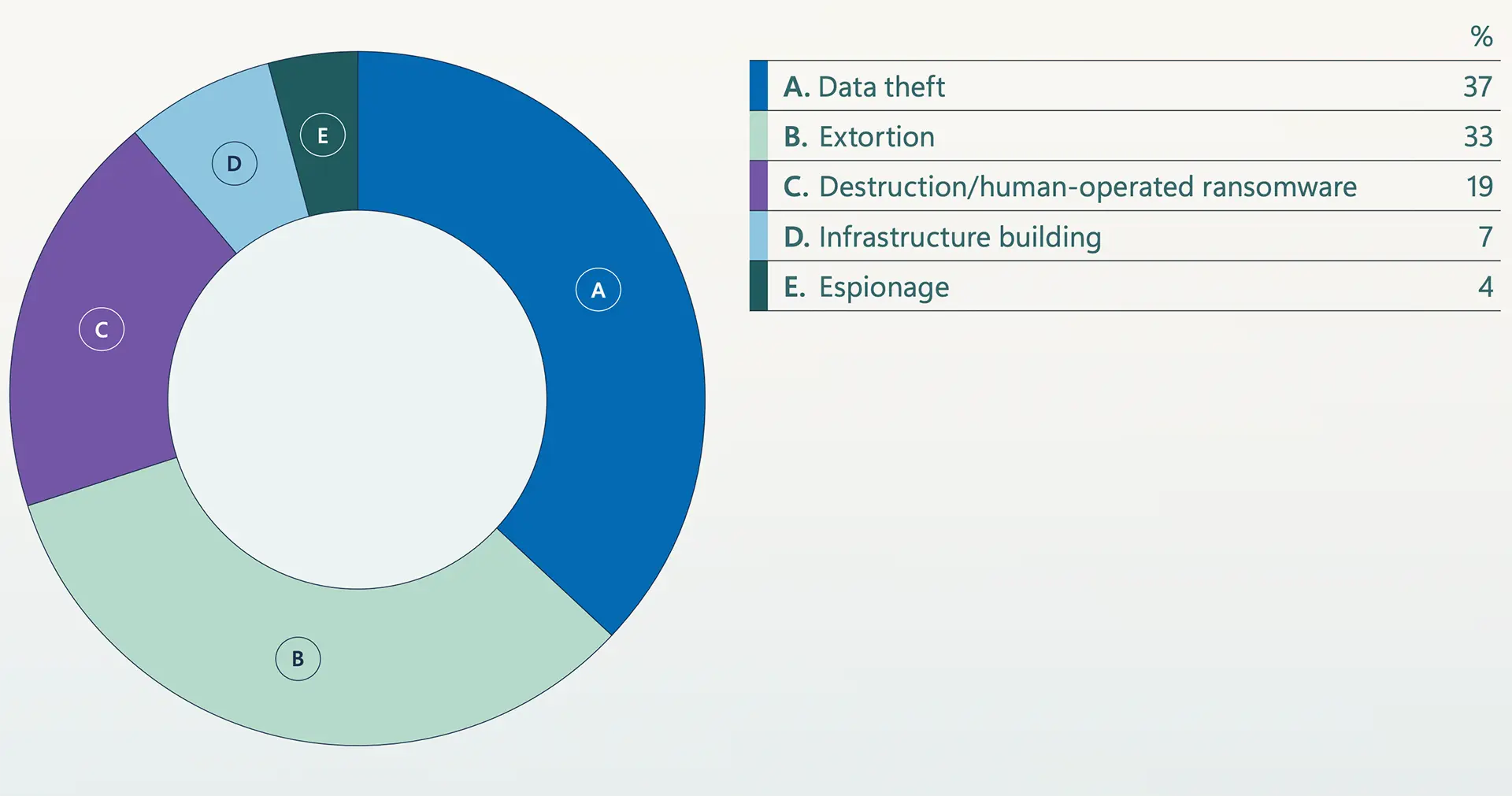 Microsoft Warns Extortion Drives Majority of Attacks Amid AI Escalation, Identity Collapse, and Global Fragmentation
 Advanced AI Is Reshaping the Cybercriminal Landscape at Alarming Speed
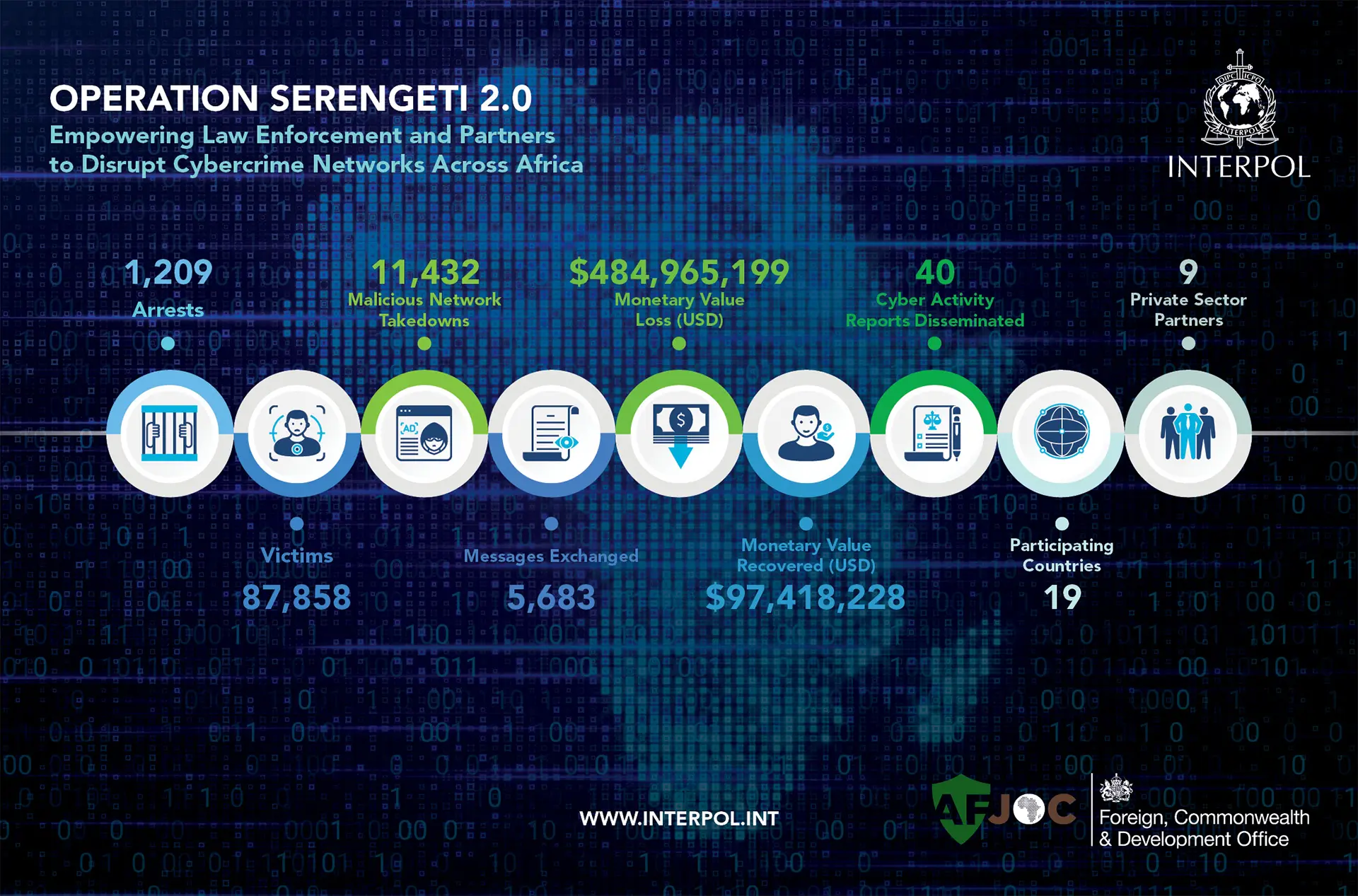 INTERPOL Leads Arrest of 1,209 Suspects in Pan-African Cybercrime Crackdown, Recovers $97 Million
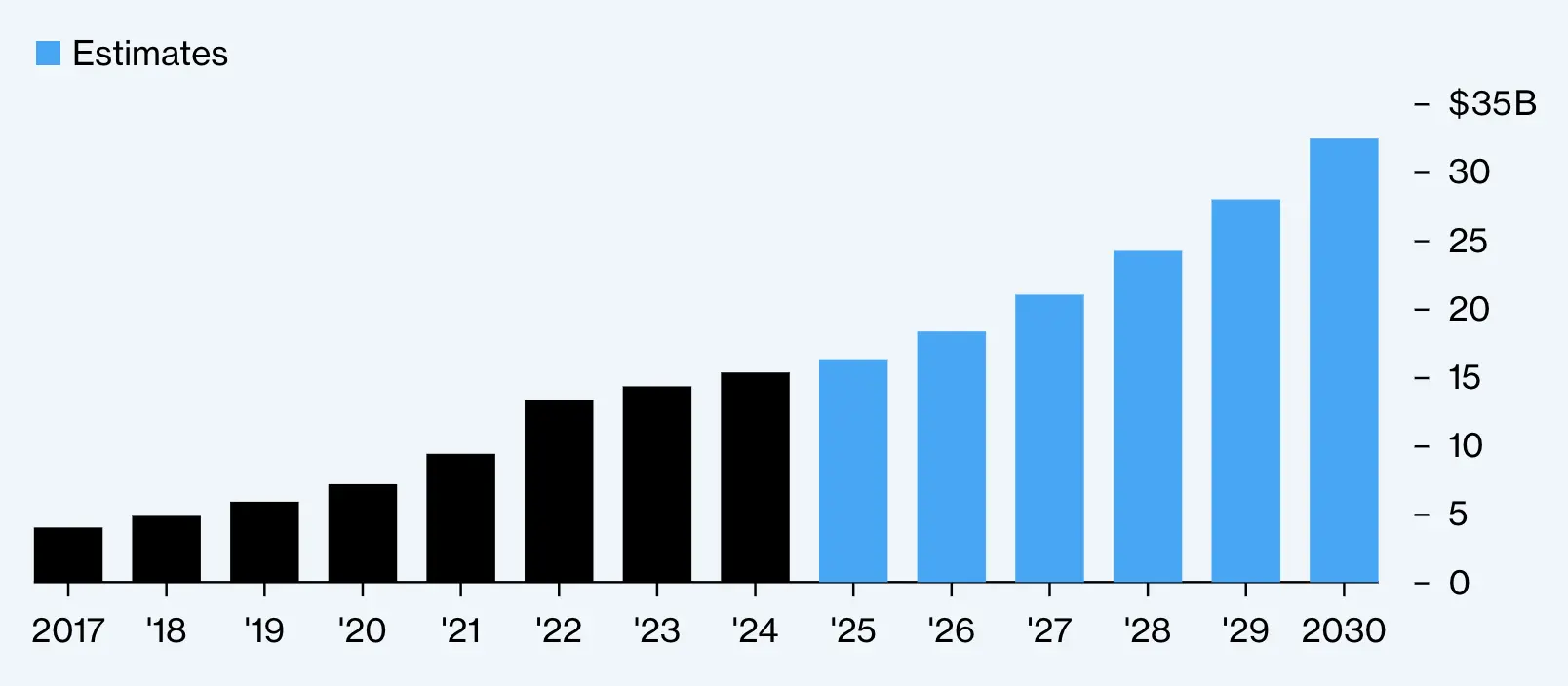 Cyberattacks Spur Boom in Insurance Demand Amid Rising Global Threats
 India Launches ‘.bank.in’ and ‘.fin.in’ Domains to Deter Financial Fraud
 Biden Administration to Back UN Cybercrime Treaty Amid Controversy
 Ransomware Crisis in U.S. Healthcare
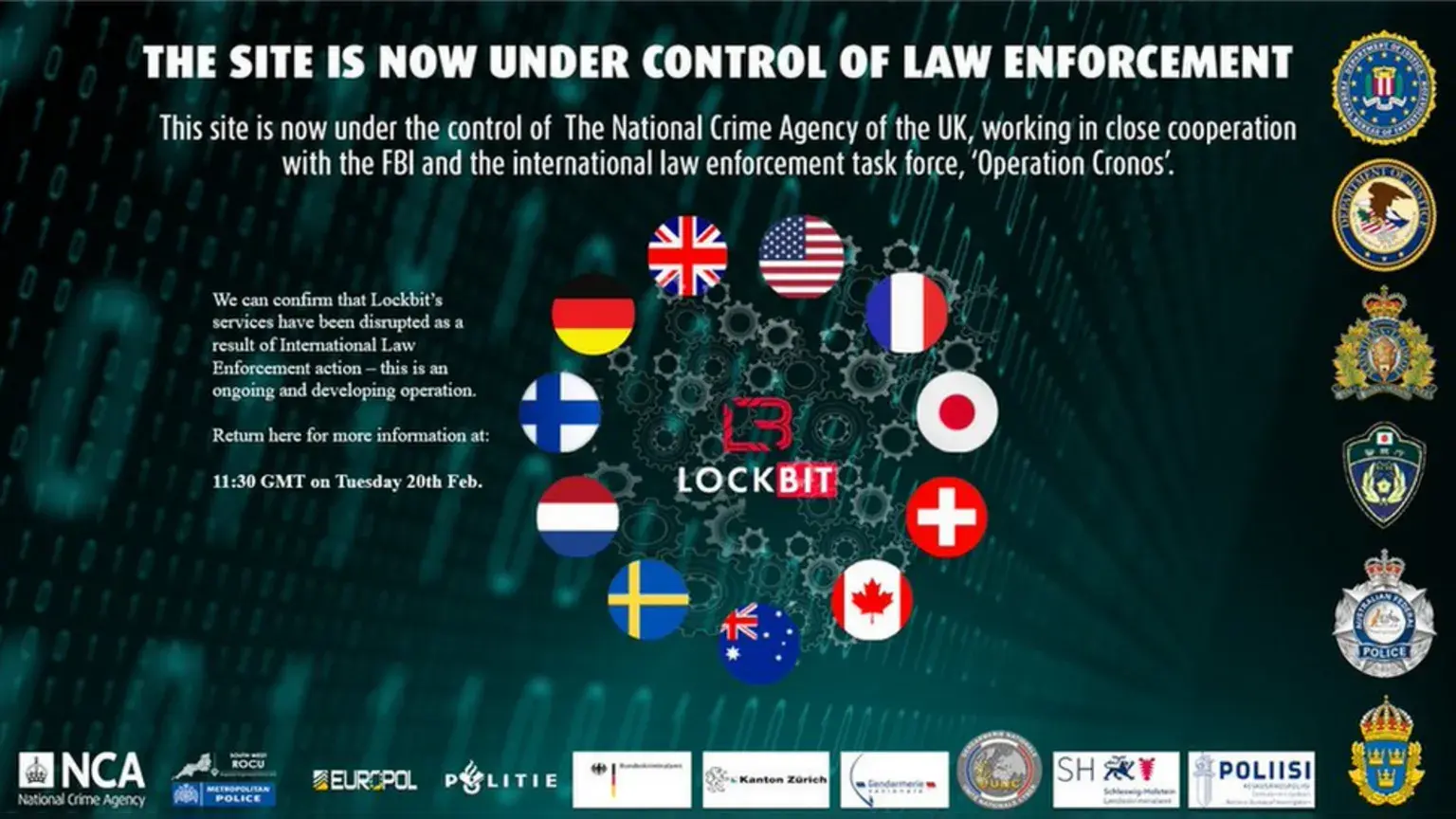 Global Law Enforcement Strikes Major Blow Against LockBit Ransomware Operation
A World-Renowned Source for Internet Developments. Serving Since 2002.