
Welcome:
Login
|
Sign Up
|
About CircleID
Follow:
|
|
|

 Iran's near-total internet blackout during airstrikes reveals how cyberattacks, sanctions and platform power can isolate a nation. The conflict shows digital infrastructure, satellites and cloud services becoming decisive weapons in modern geopolitical competition worldwide today.
 Bad actors are exploiting DNS with growing sophistication. New domains dominate threat infrastructure, daily user exposures are rising, and AI is accelerating attack creation, making DNS intelligence an increasingly critical early-warning system for modern cyber defence.
 Exploding internet traffic and AI demand are driving a rapid upgrade in fibre transport lasers, from early one gigabit systems to 400, 800 and even 1.6 terabit links reshaping backbone capacity worldwide as networks scale.
 A critique of ICANN's multi-stakeholder model argues that its accountability record, revealed through more than a dozen IRP disputes, shows structural failures that should caution policymakers seeking institutional blueprints for governing artificial intelligence systems globally.
 Hidden on telecom balance sheets, legacy IPv4 address space is emerging as a monetizable asset. Leasing underutilized blocks can generate recurring cash flow that helps fund AI infrastructure, modernization, and network investment without increasing debt.
 A debate over aligning internet and AI governance reveals stark differences in origin, incentives and power. While lessons from ICANN's multi-stakeholder model endure, AI's corporate dominance and geopolitical rivalry demand new, bottom-up approaches.
 Generative AI has turned brand impersonation from a nuisance into an industrial-scale threat, eroding trust. As ICANN's 2026 round approaches, DotBrand domains promise a structural fix to spoofing that strategies failed to deliver in 2012.
India's AI summit promised a Global South rethink of digital governance. Instead, a weak declaration and Delhi's accession to America's Pax Silica exposed widening power asymmetries, leaving countries like Brazil outside the real circuitry of control.
 At Munich's twin security gatherings, leaders warned that cyber conflict, transatlantic rifts and weaponised AI are pushing the rules-based order into a perilous transition, where deterrence falters, norms erode and digital sovereignty trumps multistakeholder ideals.
A three-decade natural experiment suggests America's centralized regulatory review fostered far greater wealth creation than Europe's precautionary principle, raising stark questions about whether importing EU-style AI rules would undermine US innovation and prosperity.
As policymakers search for an IAEA for AI, lessons from ICANN and internet governance loom large, raising questions about multistakeholder legitimacy, mission creep, technical fragmentation and whether AI demands sector-specific regulation rather than grand global architectures.
 At NANOG 96, the AI boom dominated discussions as firms race to build gigawatt-scale data centres packed with advanced GPUs, liquid cooling, and lossless networks, raising fears of overinvestment, neglected security priorities, and a looming infrastructure bubble.
 In February 1996, a libertarian myth of cyberspace and sweeping US platform immunity collided, hardwiring digital exceptionalism. Three decades on, that original sin still shields tech and AI from accountability, with legal and social consequences.
 SpaceX has filed a plan to place more than a million satellites in low Earth orbit, recasting data centres as spaceborne infrastructure while testing regulators, safety, competition and the line between vision and paper ambition.
Starlink is leveraging its growing dominance with data-hungry AI ambitions, regulatory demands, and space infrastructure plans. A merger with xAI could solidify its position as an unregulated gatekeeper of orbital connectivity and intelligence.
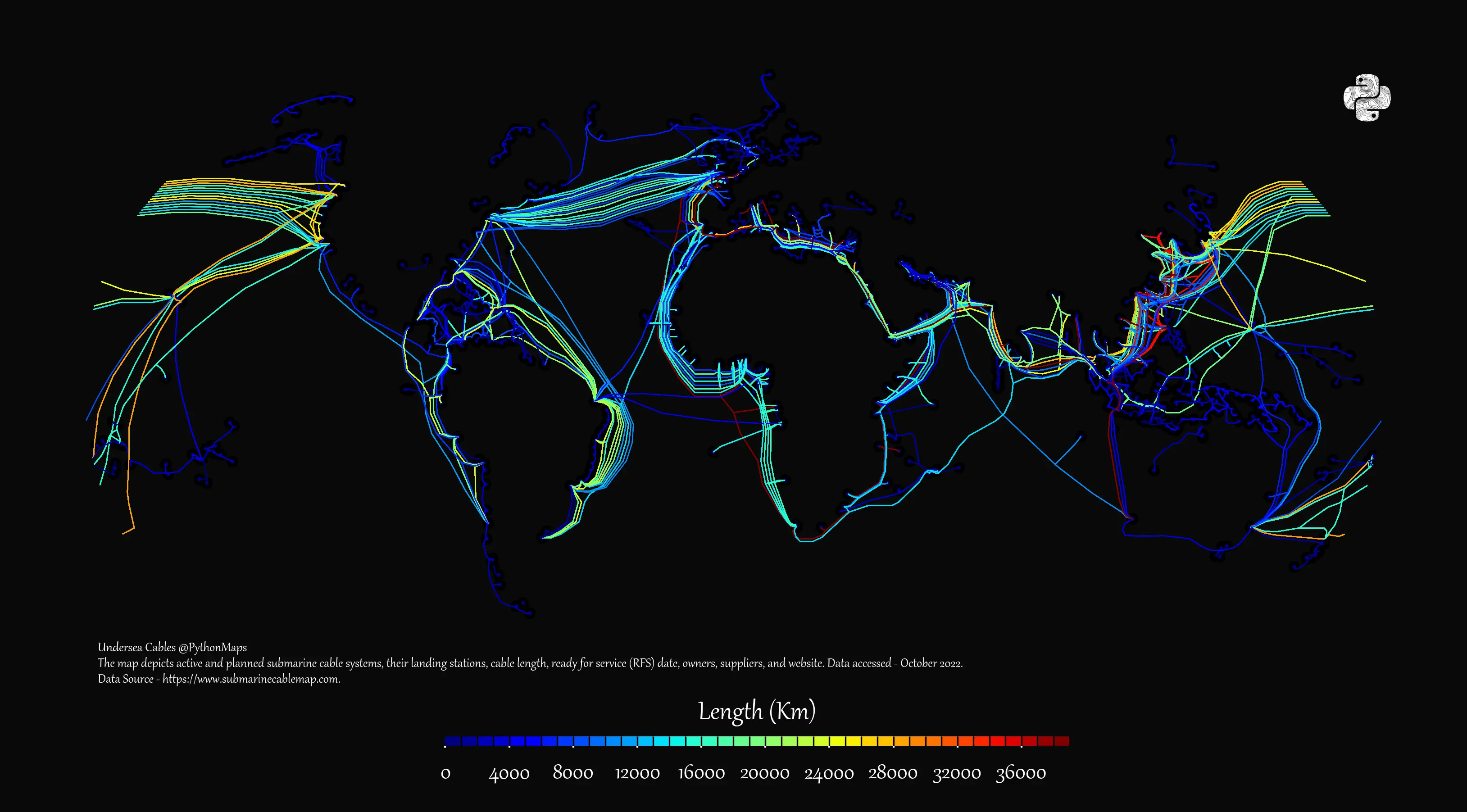 AI Boom Spurs Record Investment in Undersea Cables Amid Geopolitical and Security Concerns
 Verizon and AWS Expand Network Ties to Meet AI Data Demands
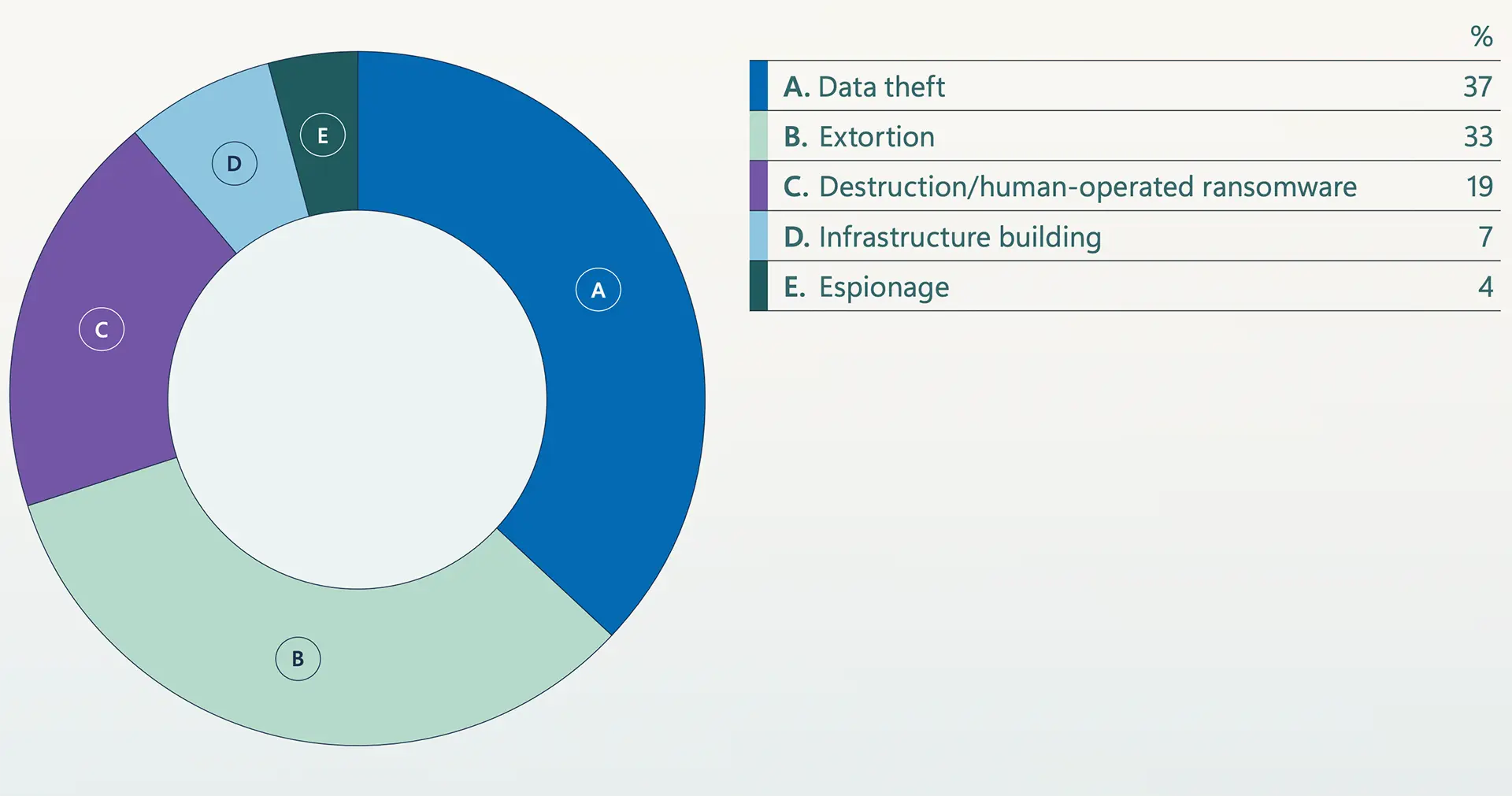 Microsoft Warns Extortion Drives Majority of Attacks Amid AI Escalation, Identity Collapse, and Global Fragmentation
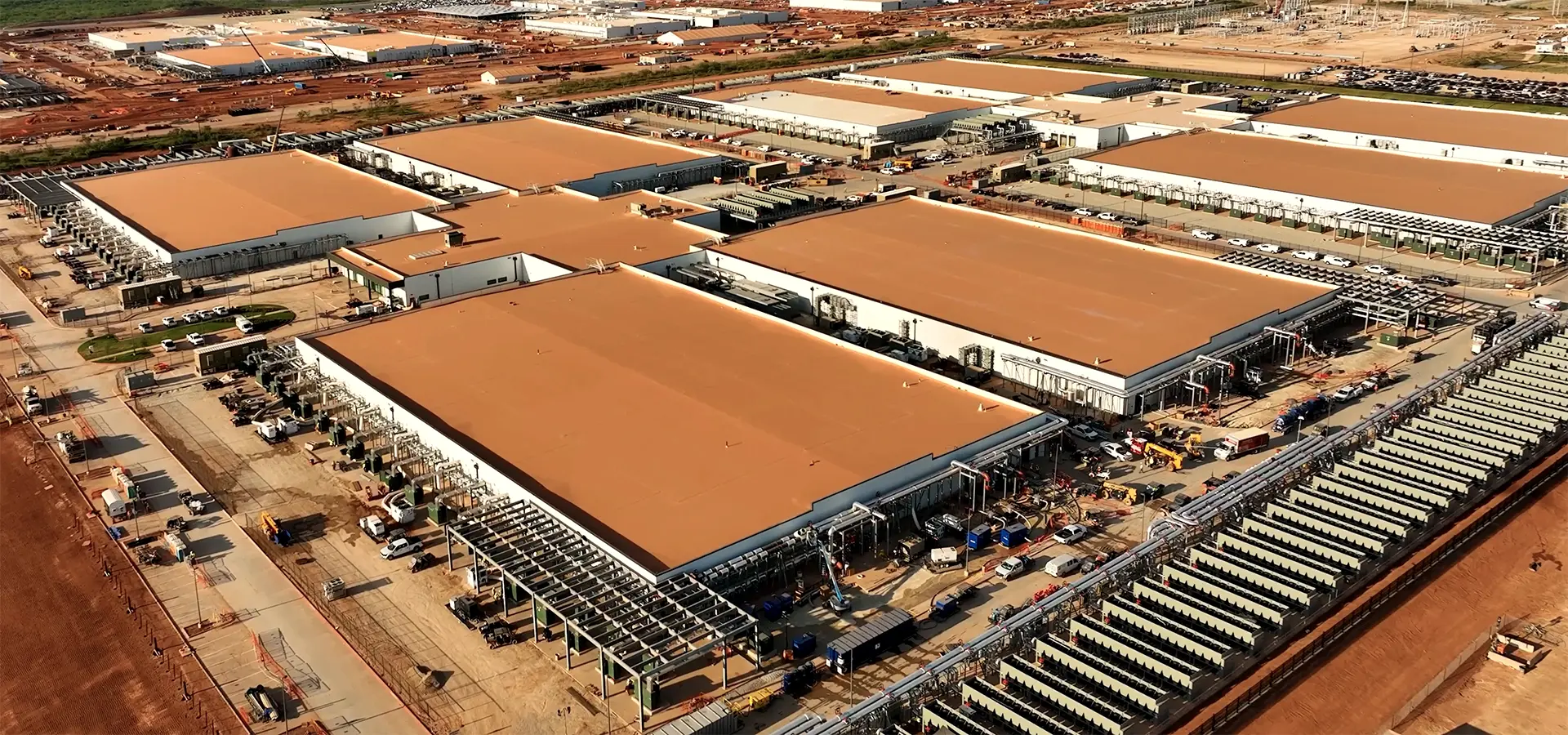 Stargate Expands: OpenAI and Partners Unveil Massive AI Infrastructure Push Across the U.S.
 Advanced AI Is Reshaping the Cybercriminal Landscape at Alarming Speed
 Meta’s Undersea Ambitions: A Cable to Power the AI Future
 Meta’s $10 Billion Plan to Build the World’s Largest Subsea Cable Network
 OpenAI Buys Chat.com, Redirected to ChatGPT
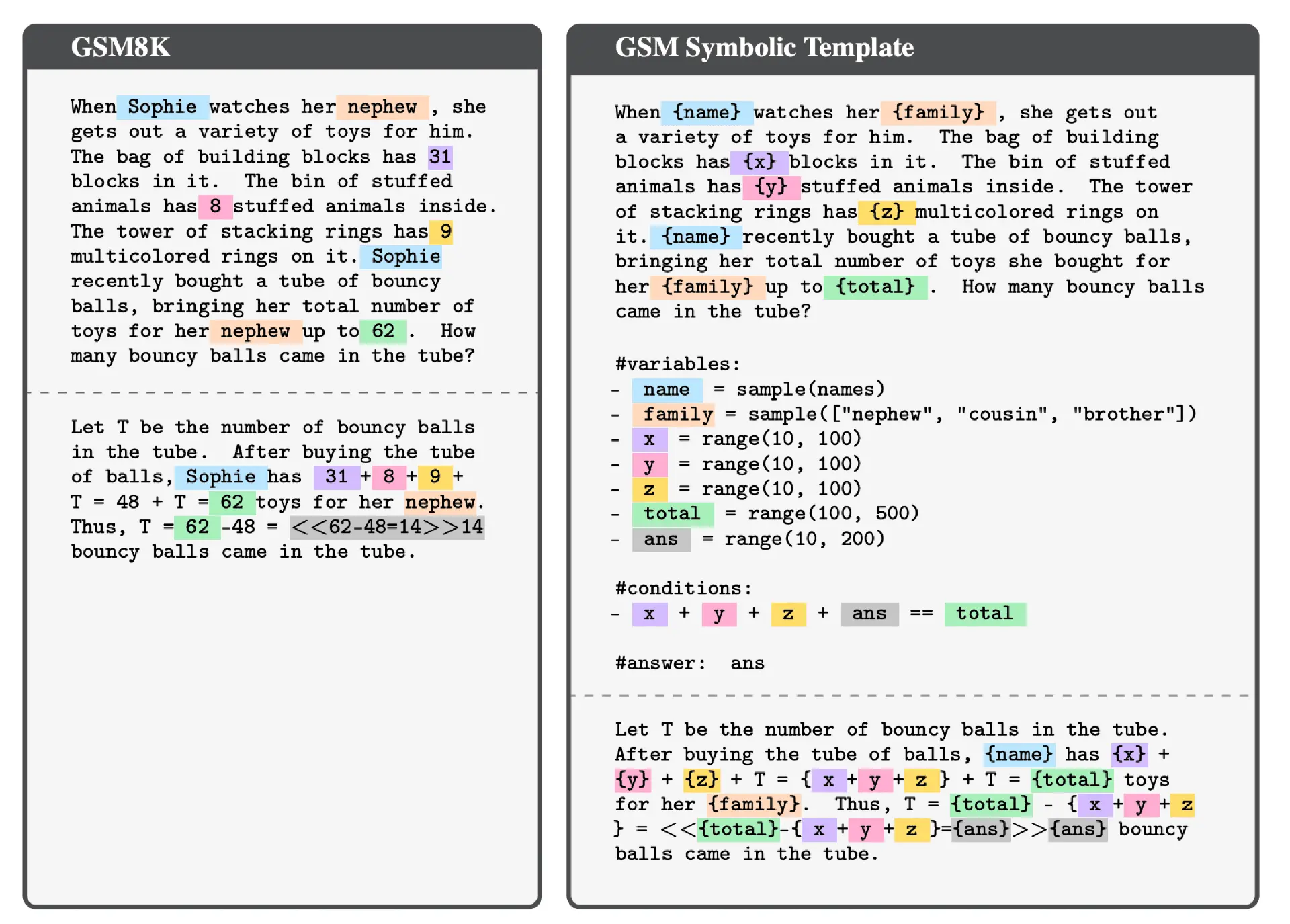 Apple’s New Benchmark, ‘GSM-Symbolic,’ Highlights AI Reasoning Flaws
A World-Renowned Source for Internet Developments. Serving Since 2002.