
Welcome:
Login
|
Sign Up
|
About CircleID
Follow:
|
|
|

 As AI giants build vertically integrated, compute-centric networks, they are bypassing DNS, reshaping routing, and concentrating infrastructure power, placing decades-old internet governance institutions under mounting pressure and raising the prospect of a fragmented, AI-driven Splinternet.
As cross-border cyber enforcement falters, critics argue Article 19's DNS abuse framework prioritizes procedural purity over user protection, leaving courts too slow to counter AI-driven phishing, rapid-flux domains, and increasingly automated online threats.
 Fake recruitment websites exploiting India's young job seekers are proliferating, exposing millions to identity theft, financial fraud and malware while regulators, registrars and digital literacy programs struggle to keep pace with a growing labor market.
 Afnic's 2025 review finds .fr registrations at a record 4.3m, with strong new domain creation and steady retention, even as competition from .com and shifting digital trends temper expectations for future growth in 2026 overall.
 Unicorn firms lead in DNS-based security adoption, signaling technical maturity, while Global 2000 rely on enterprise registrars. Gaps in redundancy and brand protection expose supply chain risks as cyberattacks intensify across industries globally today.
 Africa's looming AI rules expose a deeper problem: foreign-controlled infrastructure, weak enforcement capacity and externally governed data flows are eroding digital sovereignty, leaving states unable to regulate, protect citizens or meet global obligations.
 A flawed abuse-response system shifts costs from perpetrators to intermediaries, overwhelming enforcement. The Trusted Notifier Network seeks to realign incentives, curb low-quality reporting, and restore efficiency by embedding trust, accountability, and cost redistribution.
 Bad actors are exploiting DNS with growing sophistication. New domains dominate threat infrastructure, daily user exposures are rising, and AI is accelerating attack creation, making DNS intelligence an increasingly critical early-warning system for modern cyber defence.
 Efforts to combat online piracy are pushing courts to weaponise the Internet's naming system. Turning DNS operators into enforcement agents may deliver quick takedowns, but risks collateral damage, jurisdictional conflict and long-term fragmentation of the Internet.
 ICANN's proposed overhaul of root server governance would empower a new council to revoke America's operator status, risking a clash with a resurgent Trump administration and potentially imperiling the multistakeholder model that underpins the internet's core infrastructure.
 Project Jake invites global DNS stakeholders to test JADDAR, a privacy-respecting framework for secure access to registration data, aiming to reduce regulatory fragmentation and modernise domain governance through collaborative, policy-aligned engineering solutions.
 A six year study of Global 2000 firms finds progress on email authentication but worrying gaps elsewhere. Despite rising DMARC adoption, falling DNS redundancy and uneven regional uptake leave companies exposed to domain based attacks.
 Meltnet envisions a federated internet model led by BRICS nations, combining digital sovereignty with cross-border interoperability. It challenges US-centric governance by proposing a trust-based architecture rooted in shared standards and mutual recognition.
 DNSSEC promised to secure DNS with cryptographic proof, yet messy rollouts, outages, and hype backlash ruined its reputation. This piece argues that storytelling and emotions shape adoption as much as specs, and that automation enables a reset.
 ICANN invites proposals for its DNSSEC and Security Workshop at the ICANN85 Community Forum in March 2026, offering a platform for global experts to share insights on DNS, routing security, and emerging threats.
 ICANN Opens New gTLD Applications for First Time Since 2012, With $227K Entry Fee and 27 Scripts
 Massive AWS Outage Disrupts Global Internet, Services Restored After DNS Failure
 Chinese APT Groups Exploit Global Domains in Sweeping Cyber Campaign
 French Court Orders Google, Cloudflare, Cisco to Poison DNS in Anti-Piracy Crackdown
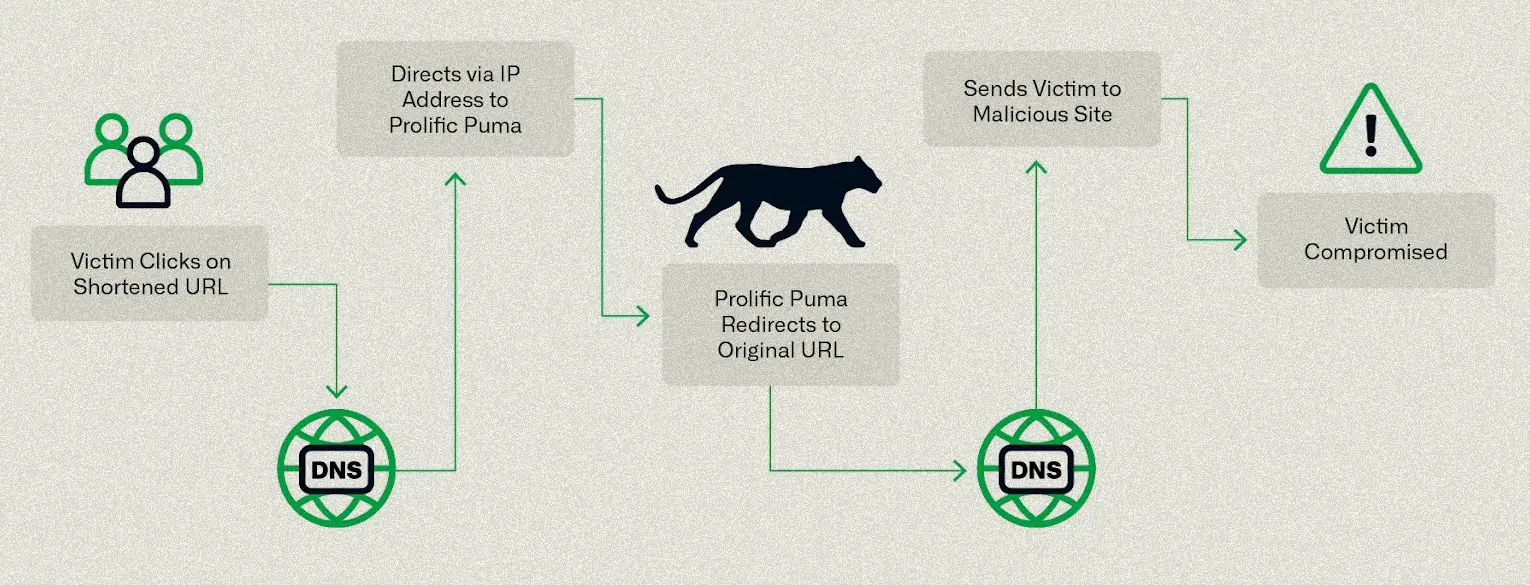 Researchers Uncover Massive Underground Link-Shortening Service Used by Malicious Actors
A World-Renowned Source for Internet Developments. Serving Since 2002.