
Welcome:
Login
|
Sign Up
|
About CircleID
Follow:
|
|
|

 Jan Žorž reflects on SEE RIPE's role in uniting a fragmented region, where trust built through informal exchange now underpins internet resilience and helps align engineers with policymakers as regulatory pressures intensify.
 Subsea cables underpin global data flows, yet resilience, control and deep sea access now define digital sovereignty as governance fragments, hyperscalers consolidate ownership, and states prioritize survivability over efficiency in an increasingly contested geopolitical seabed.
 As AI agents scale, IP reputation emerges as a hidden constraint, shaping access to external systems and degrading performance. Managing network identity, not just models, is becoming essential for reliable data collection.
 Community networks, locally built and governed, are emerging across Africa as cost-effective tools to extend connectivity, bolster digital sovereignty, and improve cyber resilience, despite regulatory, financial, and technical constraints that hinder broader adoption.
Geofeed data, long reliant on unverifiable self-assertions, faces mounting security risks. Integrating RPKI could transform it into a trusted, cryptographically validated infrastructure, strengthening routing integrity, regulatory compliance, and digital sovereignty across an increasingly contested internet.
 AI agents are rapidly becoming primary internet users, with inference-driven traffic reshaping network demands and exposing infrastructure blind spots as latency-sensitive, machine-to-machine activity begins to outpace and outcompete human web behavior.
 Surging outages and mounting losses are increasingly forcing a rethink of network operations, as NOGs now confront a shift from technical exchange to strategic governance, where resilience, leadership, and institutional influence define the profession's future.
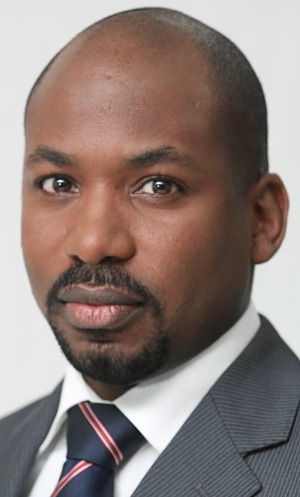 CaribNOG's 32nd forum in Curaçao marks a shift from volunteer roots to institutional structure, as the Caribbean network community formalises programmes, expands research, and positions itself to tackle climate, geopolitical, and infrastructure pressures.
 As governments, firms and engineers reshape networks, the internet is fragmenting into rival systems. Interoperability erodes, raising costs, curbing rights and weakening resilience, with global growth, innovation and cooperation increasingly at risk.
 A dispute over African IP governance exposes a flaw in the RIR system, where thin policy, weak accountability and institutional self preservation risk overriding running networks and undermining the technical legitimacy that sustained global coordination.
Critics blame IPv4 markets for inequality, but registry rules long rewarded scale and imposed regressive costs. Scarcity was managed, not equalized, leaving poorer networks paying more for slower, less predictable access over time and regions.
CaribNOG 31 convenes in Kingston as climate risks, cyber threats and sovereignty concerns converge, pushing Caribbean engineers, policymakers and operators to strengthen resilient internet infrastructure through cooperation and technical exchange over three days of meetings.
Regional internet registries, once coordinators of technical scarcity, now effectively cap liability at $100 while retaining control over national numbering systems, shifting risk to states and entrenching a governance model critics argue today inverts sovereignty.
Regional Internet registries, built for coordination, now sit atop scarce IPv4 assets while bearing little liability, suppressing capitalization and imposing "double extraction" that weakens operators, distorts markets and threatens the stability of global internet uniqueness.
Internet number resources, once clerical entries, now underpin real economic value, exposing a mismatch between registry power and accountability, while misplaced political narratives obscure the case for decentralised, operator-led control.
 U.S. Blocks Foreign-Made Routers Over Cybersecurity Fears
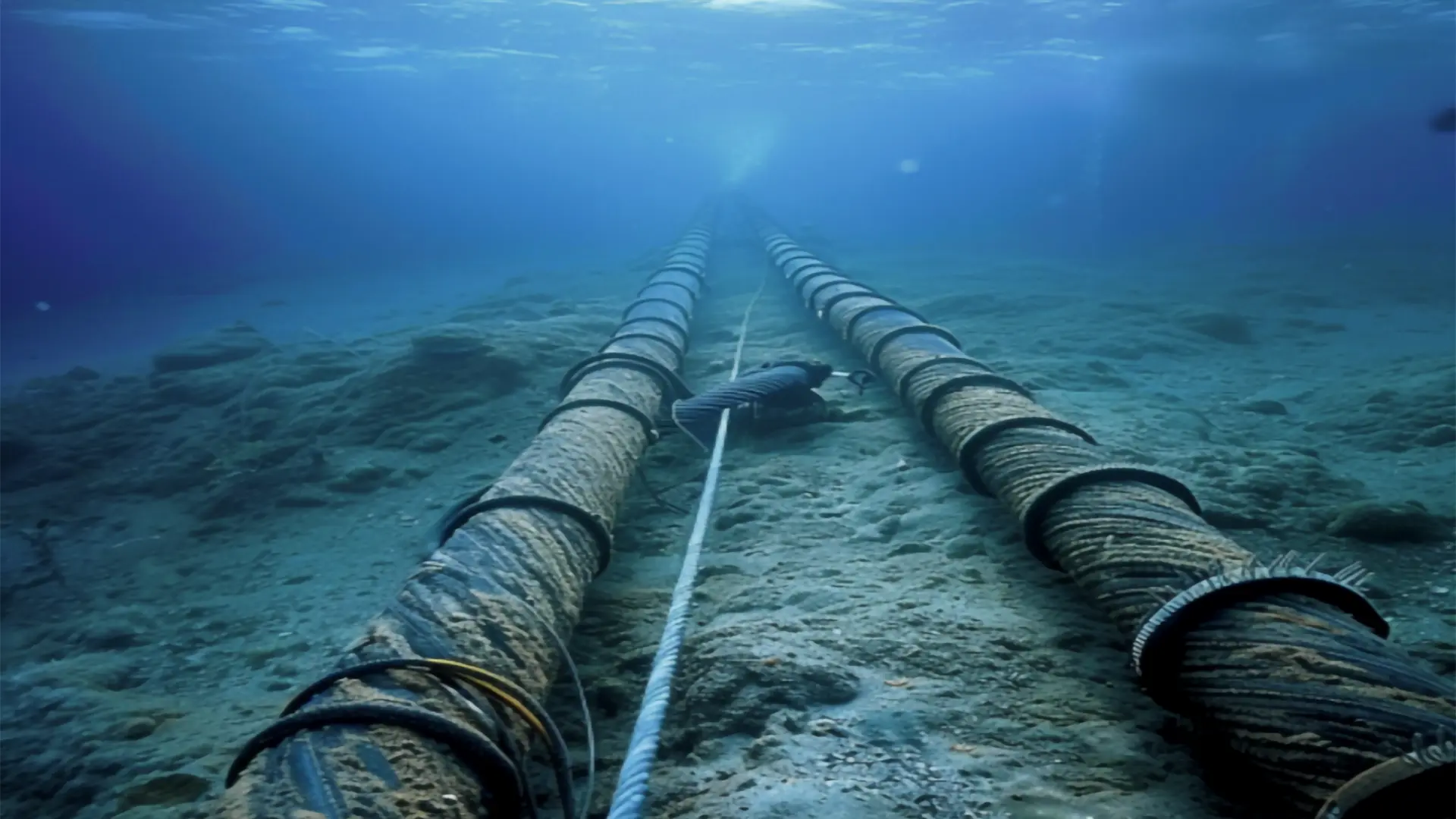 US Senators Move to Shield Undersea Internet Cables from Global Threats
 Internet Visionaries Honored with Postel Service Award
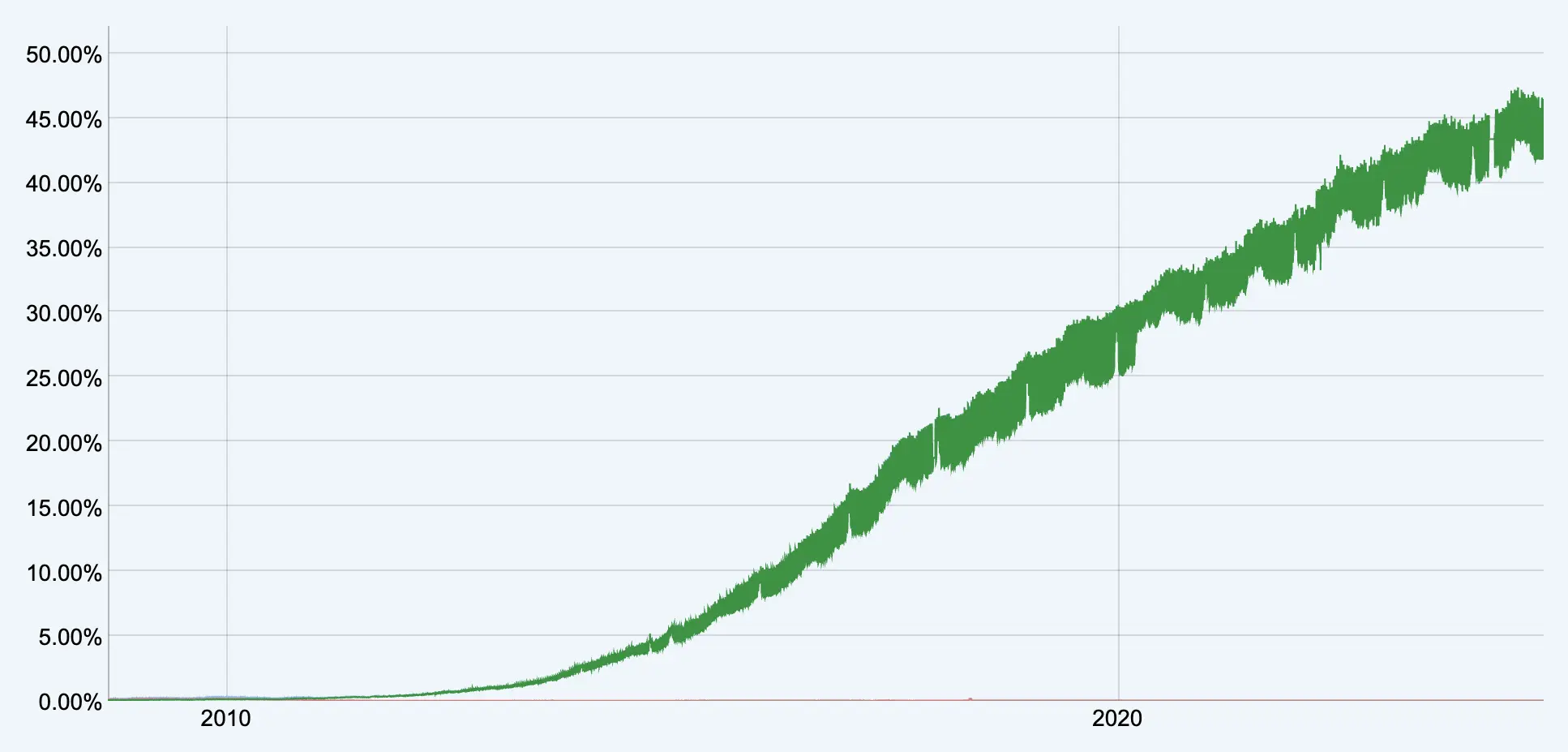 IPv6 Transition Stalls as Internet Moves Beyond IP Addresses
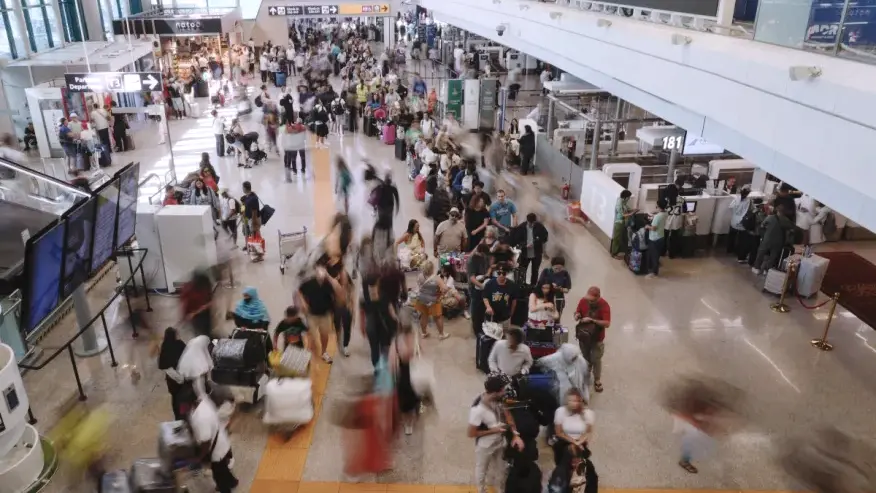 Global IT Outage Disrupts Airlines, Businesses, and Hospitals
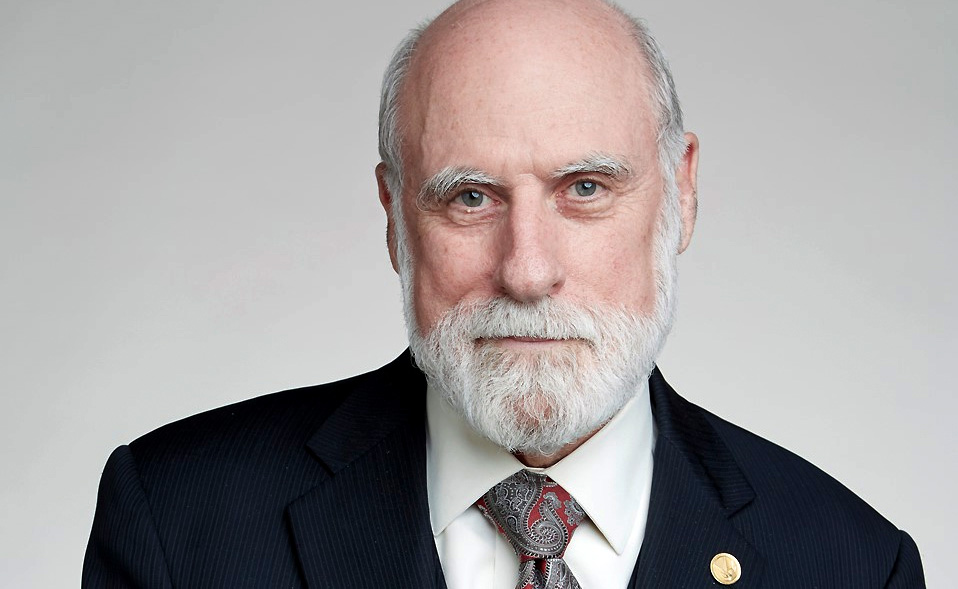 Vint Cerf Receives IEEE Medal of Honor
A World-Renowned Source for Internet Developments. Serving Since 2002.