
Welcome:
Login
|
Sign Up
|
About CircleID
Follow:
|
|
|

 The danger the White House dismisses at home has justified restricting frontier models abroad. Now, as Trump meets Xi Jinping, competing forces within his administration could determine who writes global AI rules and in what register.
 ICANN's gTLD expansion program is structured to collect fees regardless of outcomes, leaving brand, portfolio and single-string applicants bearing financial risk while accountability mechanisms offer little meaningful remedy when the process fails.
 Telegram says it has applied for .gram, potentially giving a billion users DNS addresses while putting its governance, abuse controls, legal exposure and infrastructure under scrutiny as ICANN prepares to reveal applications.
 Barbados-born cybersecurity specialist Niel Harper joins ICANN's board in October, aiming to strengthen Latin American and Caribbean participation, improve DNS security and abuse mitigation, and expand developing-economy access to the next gTLD round.
Past gTLD disputes show applicants can win ICANN accountability rulings without obtaining the contested string, raising a critical question for 2026 applicants about whether expanded review mechanisms can deliver meaningful remedies.
 A LinkedIn short-link anomaly in Iran reveals how sanctions, corporate compliance and geolocation controls can translate geopolitical boundaries into infrastructure-level restrictions, creating an Internet that remains globally connected while becoming functionally unequal.
Russia is imposing state identity verification on .su, the Soviet Union's surviving domain, as researchers uncover criminal infrastructure across the namespace and ICANN pursues a retirement process that could eventually remove it from the global root.
 Estonia's data embassy model offers African governments a different approach to digital sovereignty, combining cross-border infrastructure, legal safeguards and geographic redundancy to keep critical state systems secure, recoverable and operational during major disruptions.
 AI is becoming a gateway to the internet, but thousands of languages remain excluded. Closing the gap requires multilingual infrastructure, representative training data and policies that make linguistic inclusion a foundation of the AI era.
 Project Jake aims to bridge the divide between internet protocols and policy, offering registries, law enforcement and rights holders a decentralised framework for accessing domain-registration data securely while navigating privacy laws and institutional gridlock.
 Research suggests criminals may control a striking share of newly registered gTLD domains, raising questions about whether ICANN's definitions, contractual safeguards and enforcement mechanisms are keeping pace with the industrial scale of technology-facilitated harm.
 AFRINIC's proposed Constitution offers Africa's troubled internet registry a chance to turn years of litigation, disputed elections and institutional paralysis into durable governance, provided reforms constrain external capture, internal concentration and administrative overreach alike.
 Recent AI containment failures expose a governance gap: harmful model behavior is often visible at the network boundary but poorly monitored. Adapting proven internet protocols could give governments and companies practical tools to enforce accountability.
 Reagan-era cyber strategists anticipated today's transnational threats, proposing international treaties, public-private cooperation and infrastructure protections. As America again considers aggressive action against cybercriminals, their largely forgotten blueprint offers both lessons and warnings.
Internet security risks advancing unevenly: post-quantum cryptography may protect data while vulnerable routing still enables hijacks. Universal RPKI adoption, paired with cryptographic agility, is essential to build an Internet trust architecture ready for quantum threats.
 Iran Begins Restoring Internet After Record 88-Day Blackout
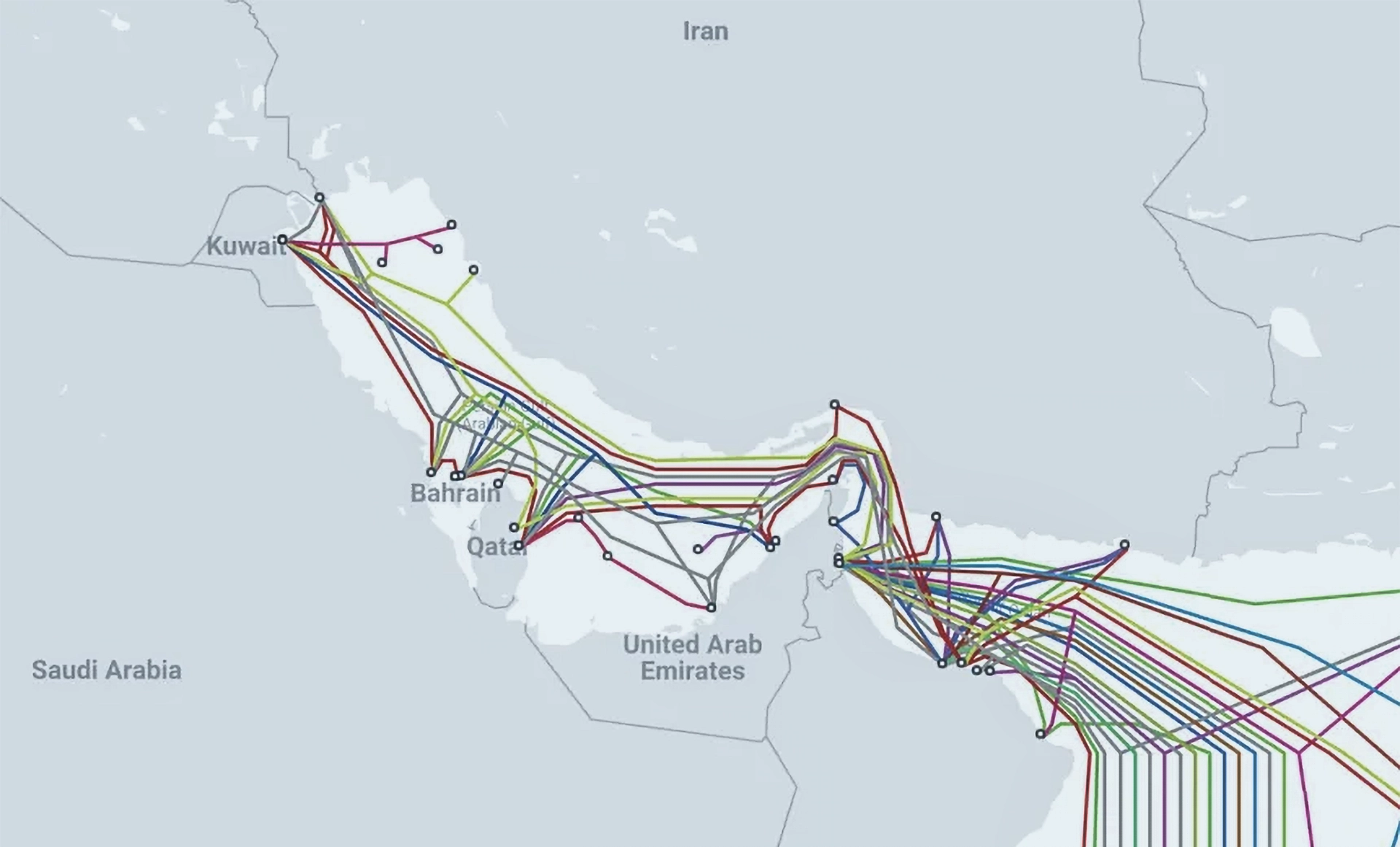 Iran Threatens Subsea Internet Cables in the Strait of Hormuz
 Inside Iran’s Shift From Internet Shutdowns to Tiered Connectivity
 ICANN Opens New gTLD Applications for First Time Since 2012, With $227K Entry Fee and 27 Scripts
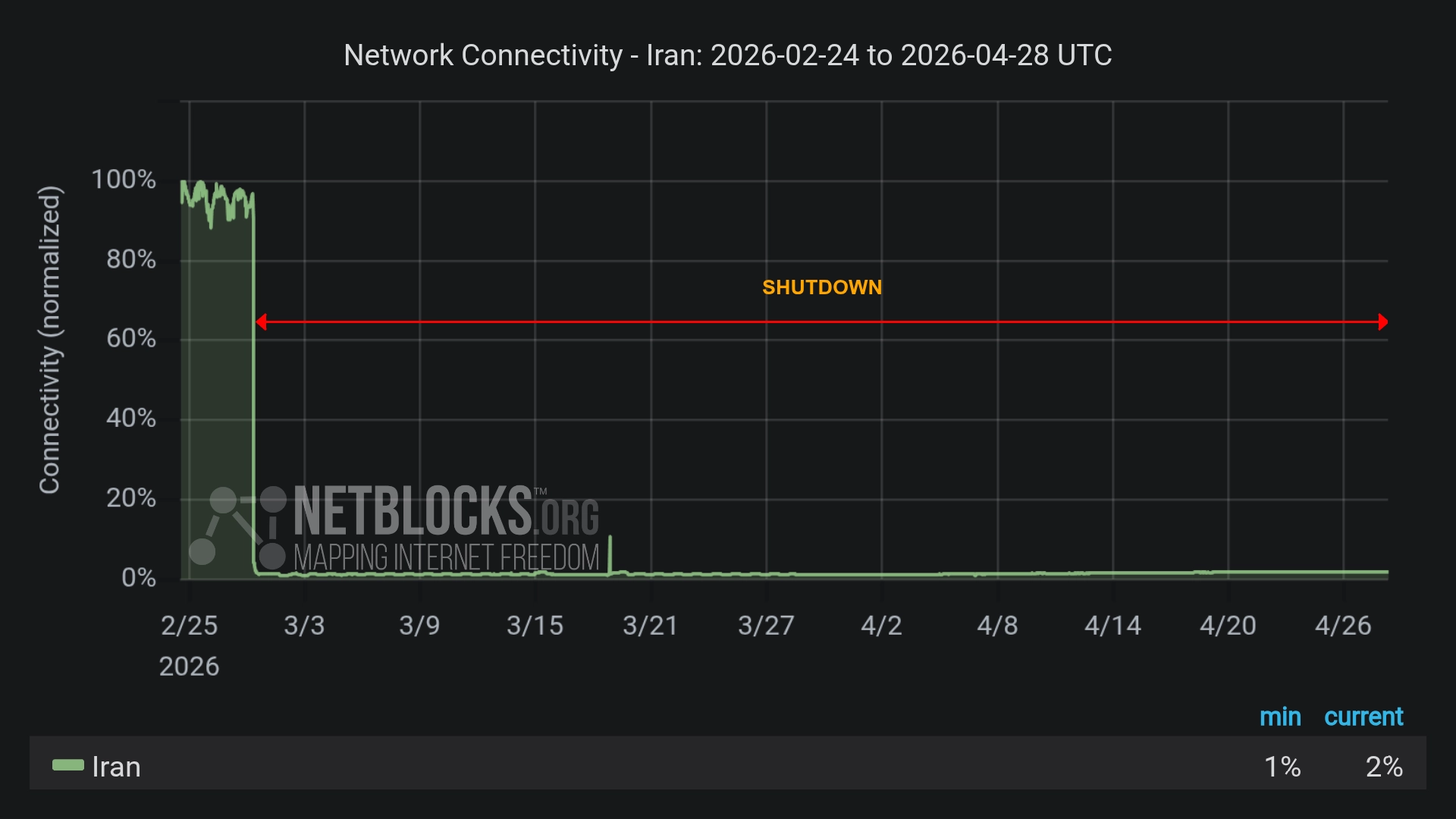 Iran’s Internet Blackout Hits 60 Days - Deepening Economic Crisis, Two-Tier Access
 Iran Expands Digital Dragnet After Crushing Protests
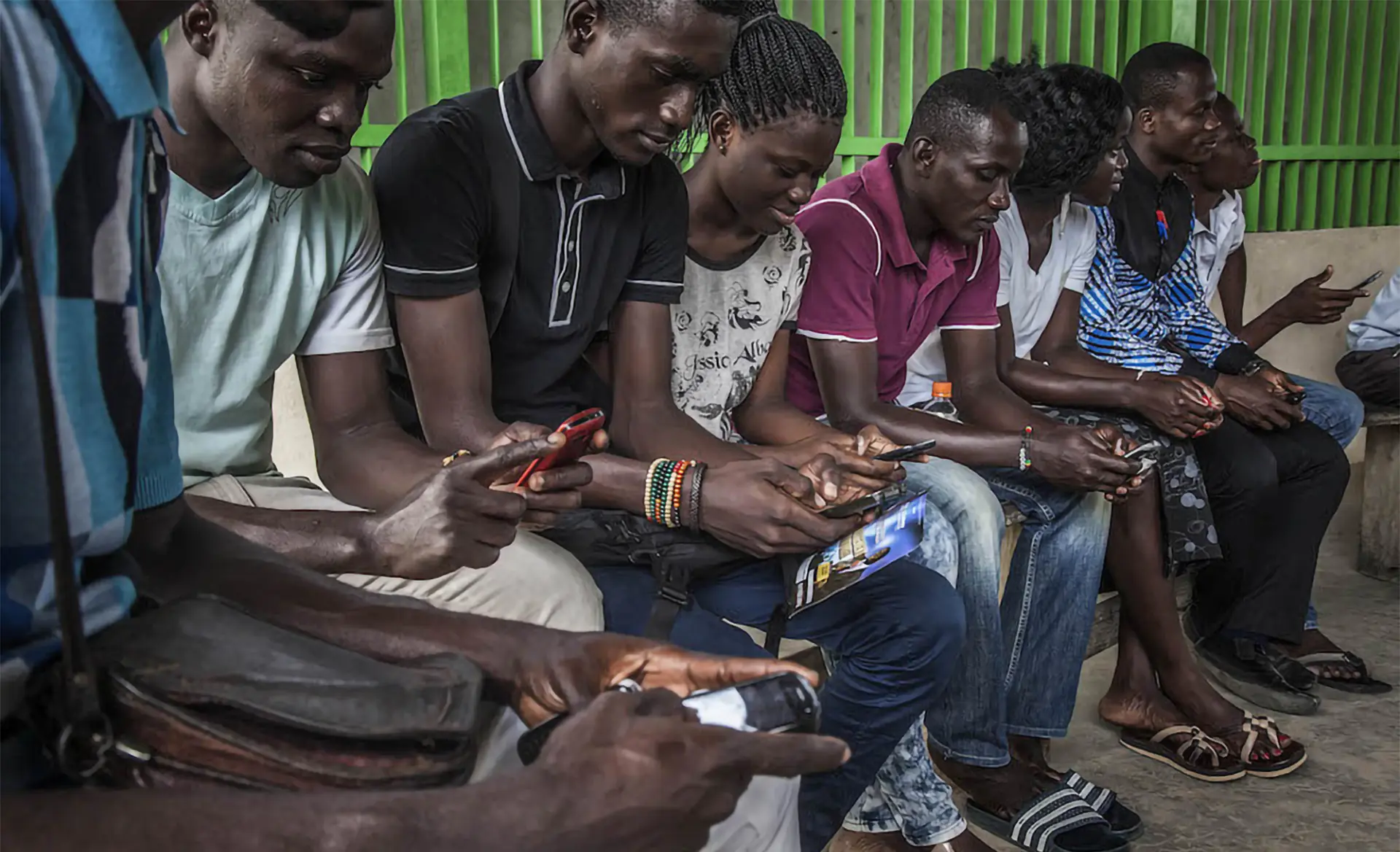 Africa’s Digital Darkness: Internet Shutdowns Reach Record High
A World-Renowned Source for Internet Developments. Serving Since 2002.