Welcome:
Login
|
Sign Up
|
About CircleID
Follow:
|
|
|

New TLDs |
Sponsored by |

|


 Cybercriminals are becoming a major force in the domain-name market, driving an estimated one-fifth of new gTLD registrations in 2025 and exposing how commercial incentives, weak enforcement, and scale continue to fuel online abuse.
 As AI agents automate phishing, impersonation and domain abuse at machine scale, the Brand Registry Group argues that dotBrand domains are evolving from marketing assets into trust infrastructure underpinning cybersecurity, identity and interactions across the internet.
 Domains enter a mature phase as AI reshapes discovery, security sharpens, and new gTLDs expand. Once simple addresses, they are becoming critical infrastructure for identity, trust, and automated commerce in the evolving web.
 GlobalBlock's expansion into China and Germany signals a shift from reactive brand protection to centralized prevention, as firms seek scalable, cost efficient defences against proliferating AI driven domain abuse worldwide amid a fragmented digital landscape.
AI-powered "vibe-coding" is transforming domain registration from manual search into automated, conversational infrastructure, embedding domains directly into software workflows while elevating them into machine-verified trust anchors in an increasingly AI-mediated internet.
 A surge in AI startups has exposed a domain-name shortage as premium .ai addresses vanish. With ICANN's next round years away, legacy TLDs and repurposed namespaces are racing to capture unmet demand.
 As ICANN opens its 2026 round, firms sharing trademarks must weigh applying for a .BRAND domain against legal risks and competitive loss, with evidence suggesting first movers gain advantage while objections rarely prevail.
 A critique of ICANN's multi-stakeholder model argues that its accountability record, revealed through more than a dozen IRP disputes, shows structural failures that should caution policymakers seeking institutional blueprints for governing artificial intelligence systems globally.
 Generative AI has turned brand impersonation from a nuisance into an industrial-scale threat, eroding trust. As ICANN's 2026 round approaches, DotBrand domains promise a structural fix to spoofing that strategies failed to deliver in 2012.
As the 2026 gTLD round opens, applicants face an overlooked geopolitical hazard: what happens if the registry or RIR underpinning their domain collapses under sanctions or war, leaving contracts stranded and accountability elusive.
 With the NIS2 Directive now in effect, a new annex to ICANN contracts offers registries and registrars a practical, flexible path to Article 28 compliance. Early adoption has drawn international praise.
The draft String Similarity Evaluation Guidelines risk entrenching past failures of Internet governance. With opaque algorithms and no right of appeal, ICANN's credibility hangs on whether transparency and fairness are restored before final adoption.
The gTLD race is not just about technical readiness. Governance strategy, institutional stamina, and adversarial foresight will define success in ICANN's 2026 round, where geopolitical resistance, not DNS errors, threatens survival.
The domain industry in 2025 saw rapid consolidation, rising regulatory pressure, and a strategic pivot toward AI, trust infrastructure, and tokenization, reshaping domains from static web addresses into dynamic assets for digital identity and commerce.
The 2025 domain sentiment survey reveals cautious optimism amid rising AI demand, new regulations, and a resurgent market. With security gaps and DNS shifts in focus, the industry's next chapter hinges on strategic adaptation.
 Blank Domain Names Surpass Websites in Value for the First Time, Report Finds
 ICANN Opens New gTLD Applications for First Time Since 2012, With $227K Entry Fee and 27 Scripts
 Domain Trends Signal Shifting Tides in 2024
 Rise in Cybercrime Exploiting Artificial Intelligence Hype Leads to Growing Threats Within the .ai Domain Space
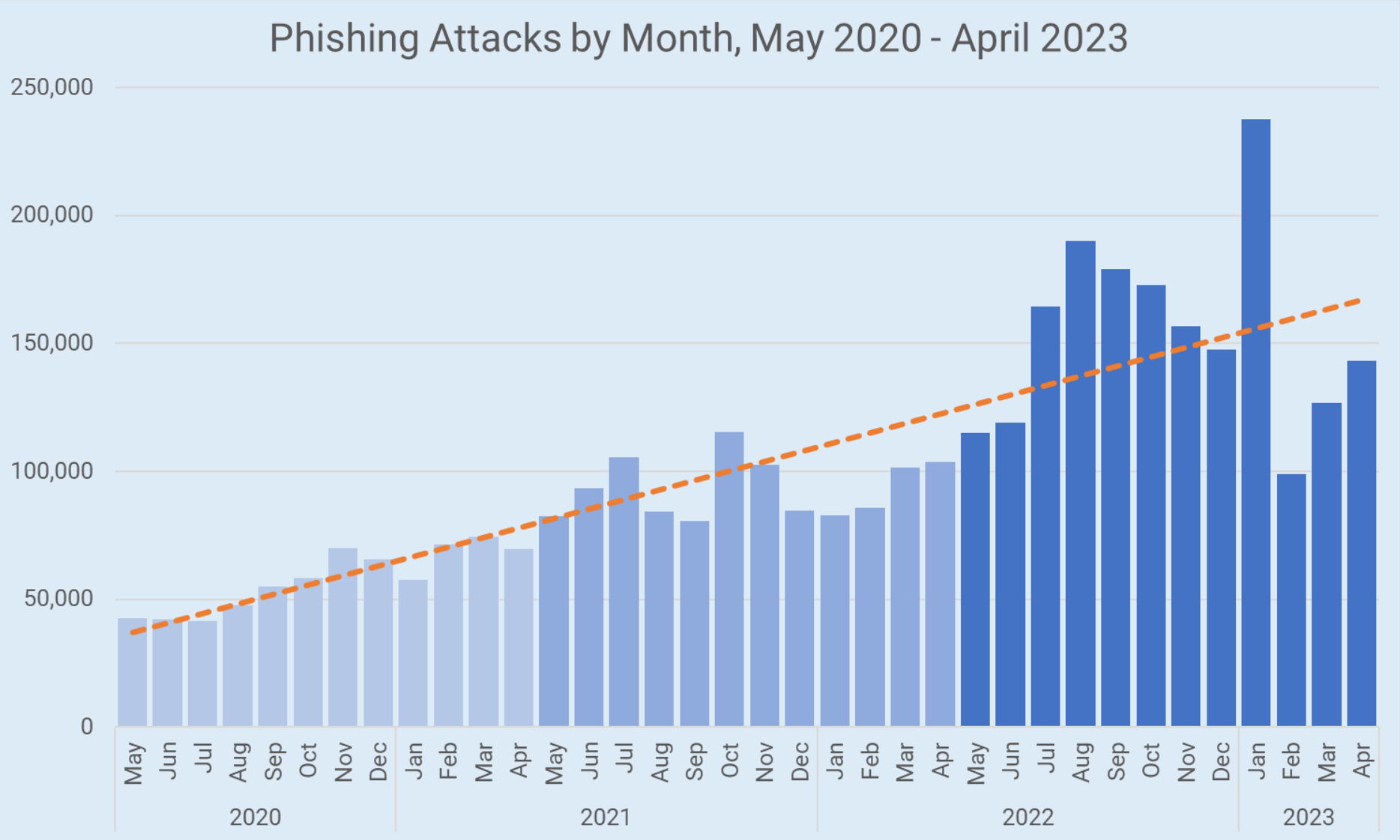 Phishing Attacks Surge Despite Increased Awareness, New Strategies Needed
 Hal Lubsen, Industry Leader and Former CEO of Afilias, Has Passed Away
Radix reports a 96% surge in premium domain registrations in H2 2025, with strong renewal rates and rising demand across price tiers signalling that high-value digital assets are becoming core, long-term brand infrastructure. more
Radix's .store domain has soared past 500 million views across platforms through its high-profile collaboration with MrBeast, underscoring the power of strategic digital branding and creator-led commerce in the online economy. more
Radix has recorded its strongest performance yet in the premium domain space, with registrations growing by 50% year-on-year in the first half of 2025. This marks a dramatic upswing in demand for high-value digital assets, particularly within the technology sector. more
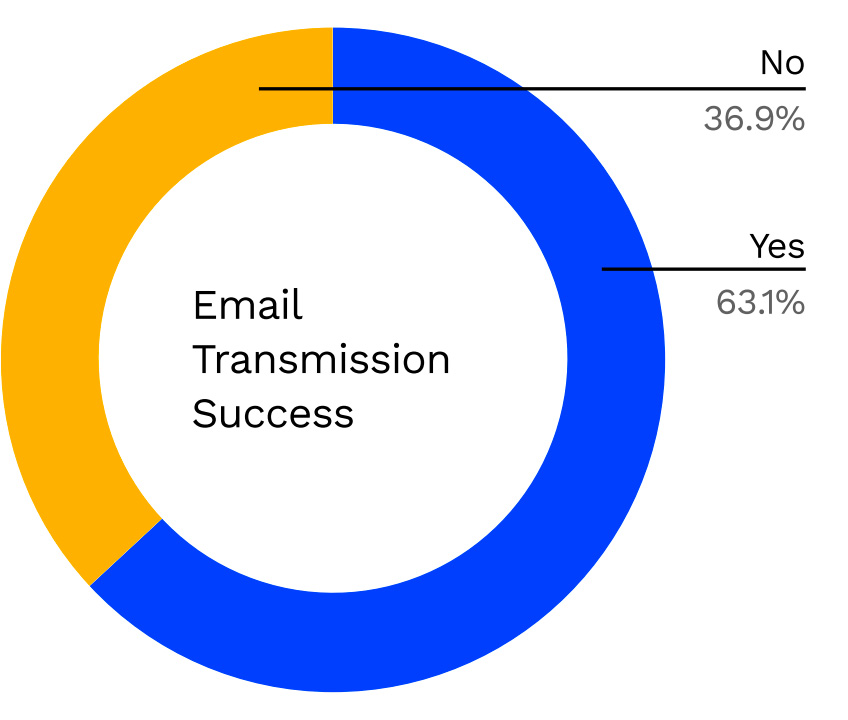
Adoption of new short and new long TLDs shows strong momentum, while IDN email compatibility continues to evolve across platforms. more
Radix's latest Premium Domains Report for the second half of 2024 highlights a strong performance across its portfolio, with .fun domains experiencing exceptional growth. Premium domain registrations increased by 11% year-on-year, while premium renewals rose by 16%. more
Unstoppable Domains, a leading on-chain domain name provider and digital identity platform, today announces a significant partnership with Radix, a prominent registry of Top Level Domains (TLDs), to provide support for .pw domains and bridge the gap between traditional DNS and tokenized blockchain domains.
more
Radix has set a new benchmark in its premium domains segment for the first half of 2024, reporting a record $5.16 million in retail revenue. more
A World-Renowned Source for Internet Developments. Serving Since 2002.