
Welcome:
Login
|
Sign Up
|
About CircleID
Follow:
|
|
|

 America's Supreme Court, in Cox v Sony, recast online copyright liability, effectively sidelining the DMCA safe harbor and replacing it with a narrow inducement standard that leaves service providers little obligation to meaningfully police infringement.
 CaribNOG's 32nd forum in Curaçao marks a shift from volunteer roots to institutional structure, as the Caribbean network community formalises programmes, expands research, and positions itself to tackle climate, geopolitical, and infrastructure pressures.
 The history of the Regional Internet Registry system shows it was designed as a community-governed framework, not a passive ledger, with legitimacy rooted in delegated authority, open policy development, and multistakeholder coordination from its inception.
 Afnic's 2025 review finds .fr registrations at a record 4.3m, with strong new domain creation and steady retention, even as competition from .com and shifting digital trends temper expectations for future growth in 2026 overall.
 Unicorn firms lead in DNS-based security adoption, signaling technical maturity, while Global 2000 rely on enterprise registrars. Gaps in redundancy and brand protection expose supply chain risks as cyberattacks intensify across industries globally today.
 Africa's cybersecurity failures stem less from sophisticated hackers than from insecure system design, weak governance and limited skills, leaving institutions exposed and shifting the challenge from external threats to internal accountability and resilience.
 AFRINIC's fight over 6.2 million IPv4 addresses exposes how legal pressure, offshore vehicles and scarcity economics can strip Africa of leverage, turning a technical dispute into a test of sovereignty, institutional resilience and Internet governance.
 LACNIC's LAC-2025-5 proposal formalises IPv4 sub-assignments, bringing grey-market leasing into a framework, easing scarcity pressures, improving registry accuracy, and lowering barriers for smaller providers while preserving incentives to adopt IPv6, across Latin America and Caribbean.
 As governments, firms and engineers reshape networks, the internet is fragmenting into rival systems. Interoperability erodes, raising costs, curbing rights and weakening resilience, with global growth, innovation and cooperation increasingly at risk.
 Kinetic attacks on Gulf data centres expose the cloud's physical fragility, recasting AI infrastructure as strategic targets and accelerating bunkerisation, while outdated data laws leave firms choosing between legal compliance and digital survival.
 Private internet registries have inflated narrow technical roles into quasi-sovereign authority, laundering mandate through ritual and rhetoric; a fragile system now faces legal, economic and political reckoning, prompting calls for coordinated transition urgent global reform.
 Africa's looming AI rules expose a deeper problem: foreign-controlled infrastructure, weak enforcement capacity and externally governed data flows are eroding digital sovereignty, leaving states unable to regulate, protect citizens or meet global obligations.
 Low Earth orbit is crowding as Starlink, Amazon, China and others race to deploy thousands of satellites, promising faster broadband while intensifying global competition, orbital congestion concerns and a push for direct-to-device connectivity.
 A flawed abuse-response system shifts costs from perpetrators to intermediaries, overwhelming enforcement. The Trusted Notifier Network seeks to realign incentives, curb low-quality reporting, and restore efficiency by embedding trust, accountability, and cost redistribution.
Africa's rapid digital expansion, from fintech to e-government, is outpacing its cybersecurity capacity, leaving critical systems exposed and trust at risk unless governments embed security as a core pillar of development across the continent today.
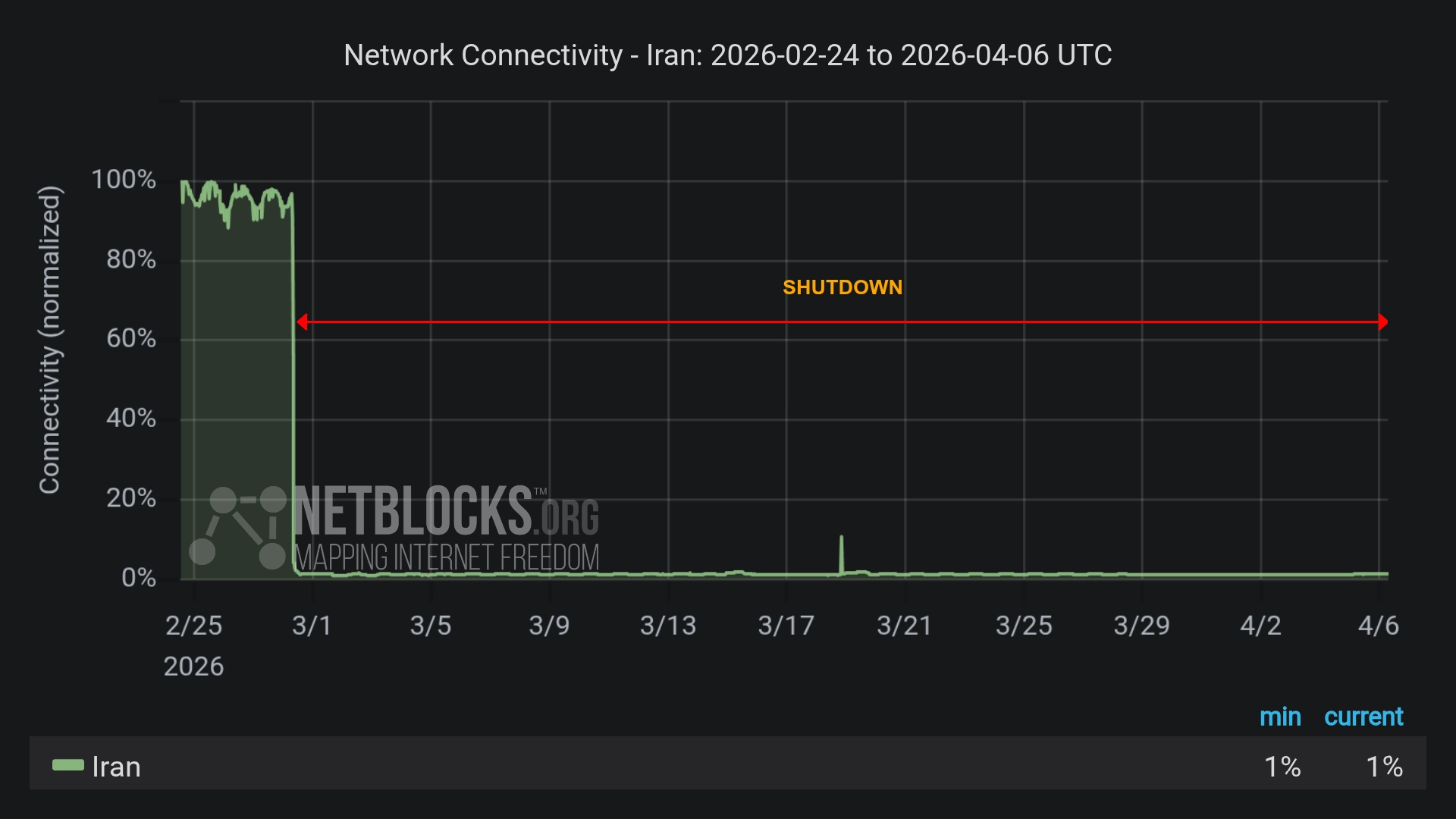 Iran’s Record Internet Blackout Deepens Civilian Isolation, Fuels Humanitarian Concerns
 U.S. Blocks Foreign-Made Routers Over Cybersecurity Fears
 Iran Targeted by Self-Propagating Malware in Supply-Chain Cyberattacks
 Iranians Outsmart Internet Blackout to Broadcast Airstrikes
 Iran Expands Digital Dragnet After Crushing Protests
 David J. Farber, Early Architect of the Internet, Dies at 91
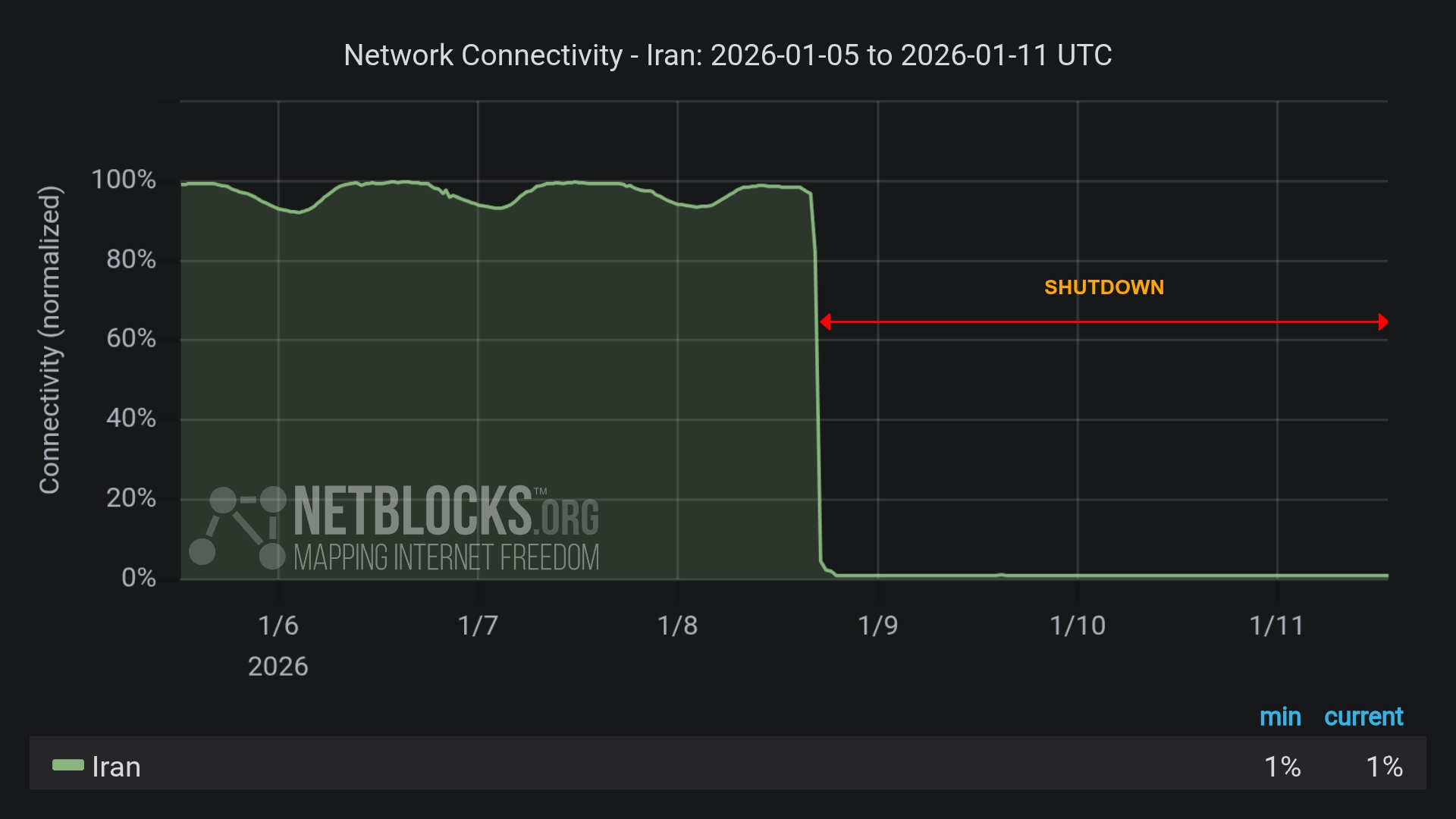 Iran Cuts Off Internet Nationwide as Regime Disrupts Even Starlink Amid Expanding Protests
 US Senators Move to Shield Undersea Internet Cables from Global Threats
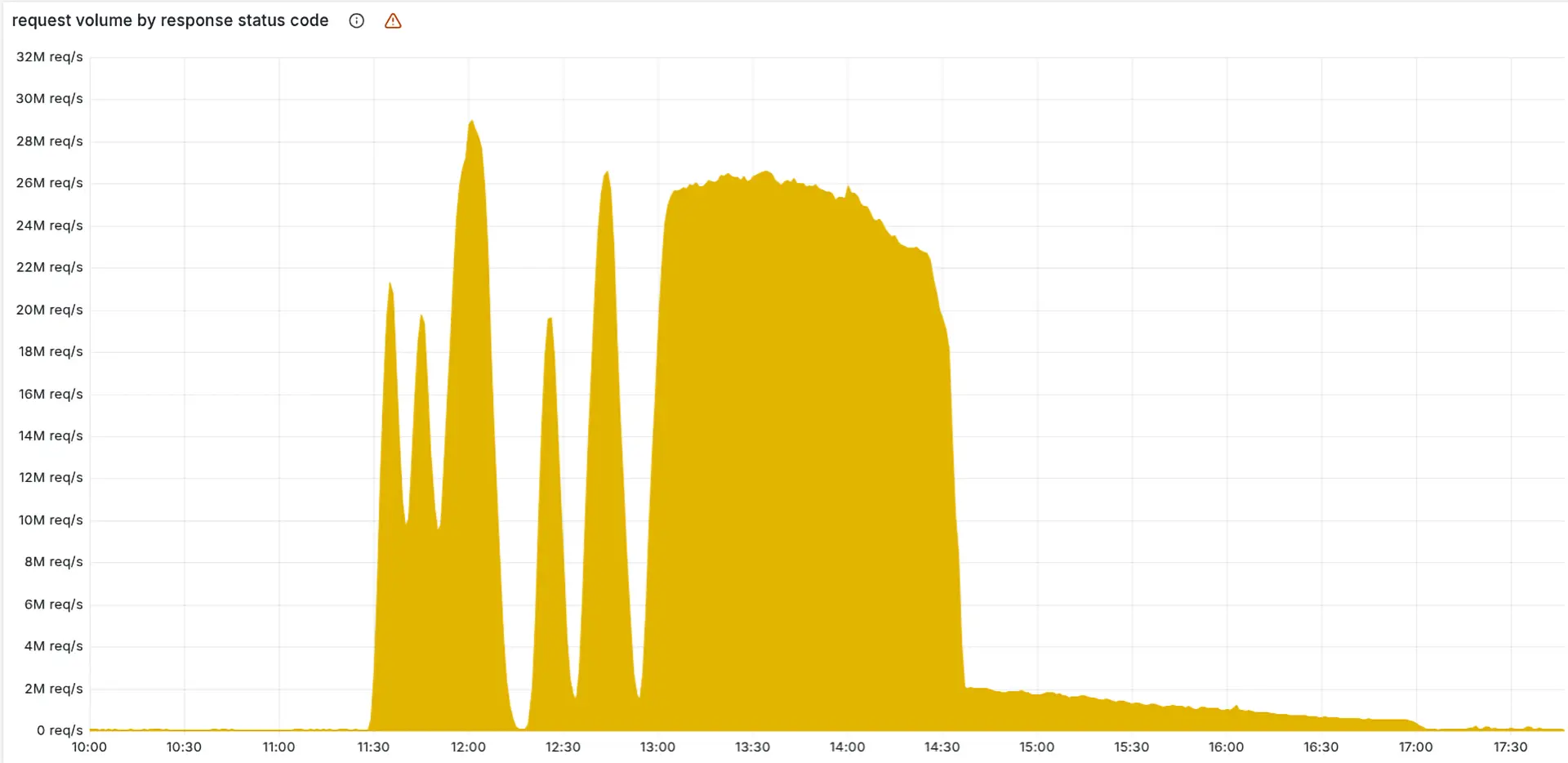 Configuration Chaos: Cloudflare Explains Major Outage in Detailed Post-Mortem
A World-Renowned Source for Internet Developments. Serving Since 2002.