
Welcome:
Login
|
Sign Up
|
About CircleID
Follow:
|
|
|

 Repeated DNSSEC failures show the limits of snapshot diagnostics. A longitudinal record of signed delegations could reveal persistent misconfigurations, rollover problems and correlated failures, helping operators identify recurring patterns and their likely sources.
 The danger the White House dismisses at home has justified restricting frontier models abroad. Now, as Trump meets Xi Jinping, competing forces within his administration could determine who writes global AI rules and in what register.
 Remote work remains far above pre-pandemic levels, but rural participation trails urban areas as job mix and inadequate broadband limit opportunities for working from home.
 Rule-based container security can miss attacks that evade predefined patterns, prompting an argument for behavioral detection that models activity across Kubernetes workloads and control planes while retaining rules for known threats.
 ICANN's gTLD expansion program is structured to collect fees regardless of outcomes, leaving brand, portfolio and single-string applicants bearing financial risk while accountability mechanisms offer little meaningful remedy when the process fails.
 RFC 10023 standardizes a DNS TXT record that lets domain holders signal a registered name is for sale, giving registrars, marketplaces, brokers and search tools a machine-readable way to distinguish registration from purchase availability.
Daily CZDS zone data can help brand owners and investigators detect suspicious domain registrations earlier, trace related infrastructure, monitor expired names, and shift enforcement from reactive disputes toward faster, evidence-based intervention.
 Telegram says it has applied for .gram, potentially giving a billion users DNS addresses while putting its governance, abuse controls, legal exposure and infrastructure under scrutiny as ICANN prepares to reveal applications.
Starshield gives SpaceX a separate military satellite network, raising a broader question about whether Starlink could dedicate satellites to cellular and business backhaul without reducing broadband capacity for residential customers.
 auDA has approved in principle tighter .com.au and .net.au eligibility rules that would limit registrations to domains matching a registrant's business name or Australian trademark, with implementation details and timing still pending.
 Project Jake proposes a voluntary, group-based framework for domain registration data disclosure, giving registrars and registries control over access while establishing standardized agreements, requester validation and sensitivity levels to balance privacy with legitimate data needs.
 CISOs expect social media impersonation to become their leading cybersecurity threat as attackers increasingly combine AI-enabled deception, executive impersonation, and domain abuse across multiple channels to conduct fraud and steal sensitive information.
 Building a technology operation in India showed that regulation, governance, security, people and technology work best as one operating environment, with compliance, access controls and local autonomy designed in from the outset.
 DNS abuse enforcement can stop abusive domains and drive systemic registrar reforms, but reporting barriers, inconsistent response times, and poorly documented complaints leave many phishing sites active before actionable cases ever reach enforcement.
 Barbados-born cybersecurity specialist Niel Harper joins ICANN's board in October, aiming to strengthen Latin American and Caribbean participation, improve DNS security and abuse mitigation, and expand developing-economy access to the next gTLD round.
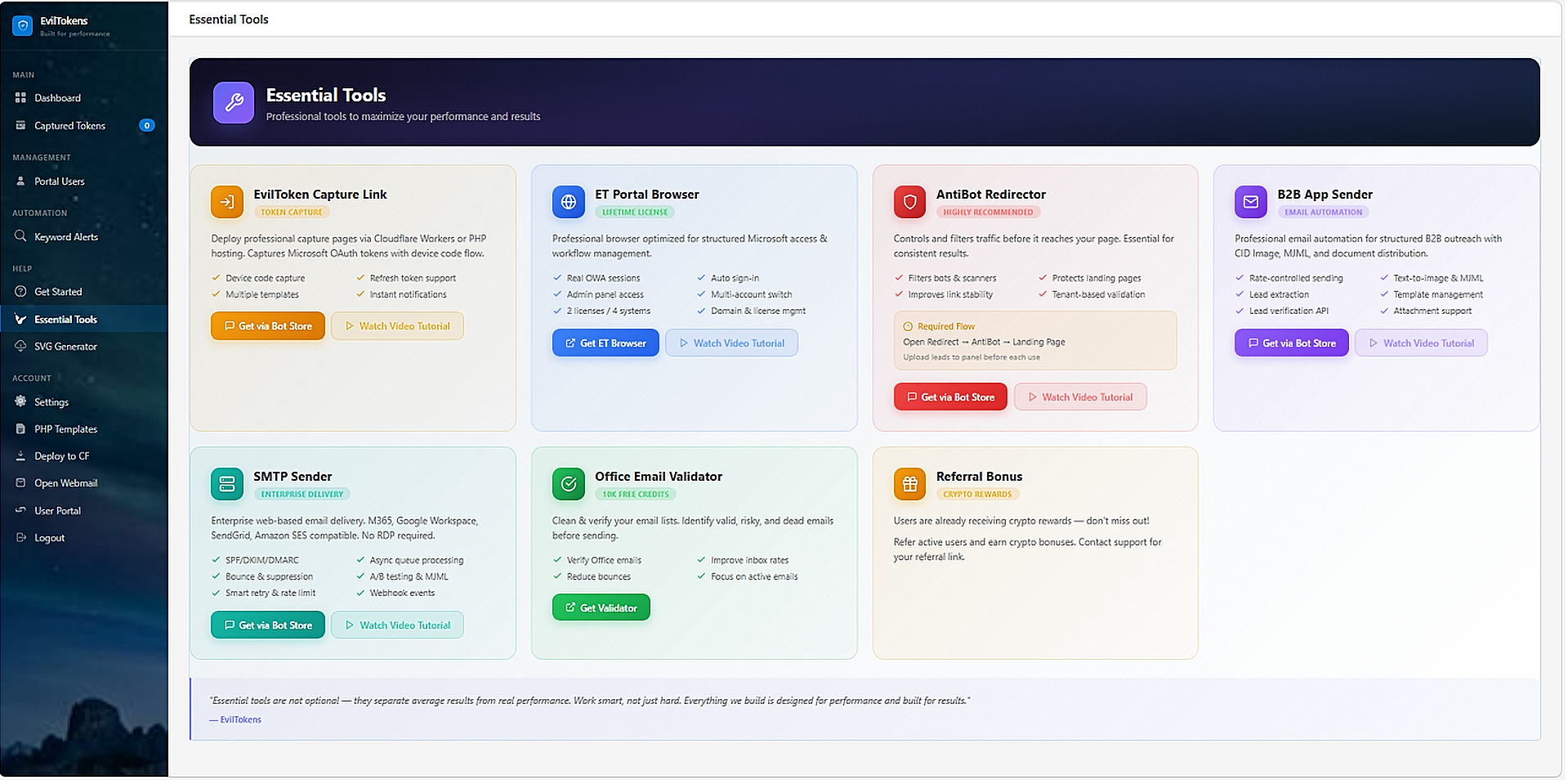 Microsoft Disrupts EvilTokens AI Cybercrime Service Linked to 12,000 Compromised Inboxes
 EU Sets Sustainability Labels for Larger Data Centers
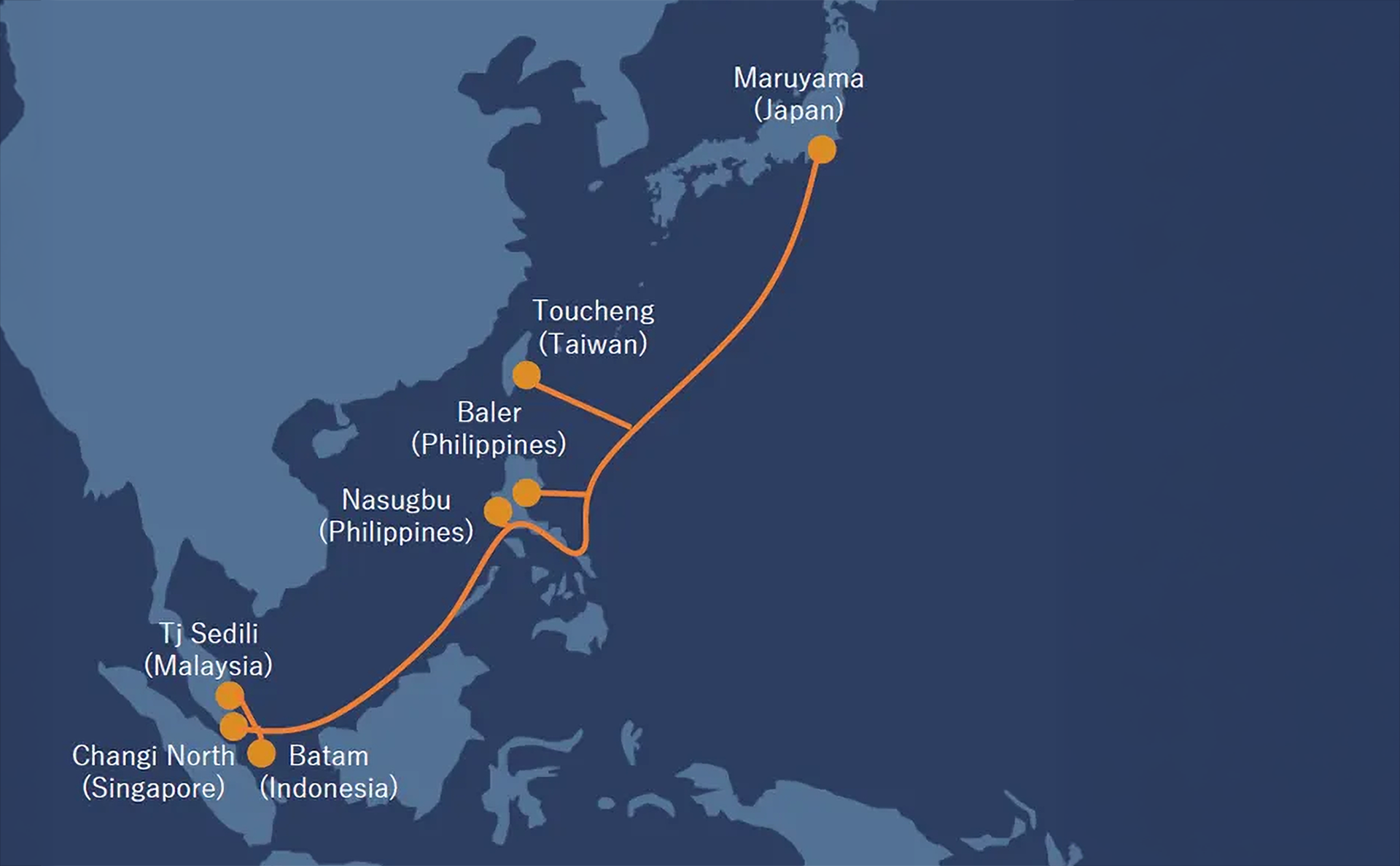 Candle Submarine Cable Reaches Indonesia on Route Across Six Asian Markets
 Canada Plans Sovereign Broadband Backbone With New Fibre Investment Incentive
 Amazon Taps Qualcomm for AI Chips and Optical Data Center Networking With $60 Billion Purchase Milestones
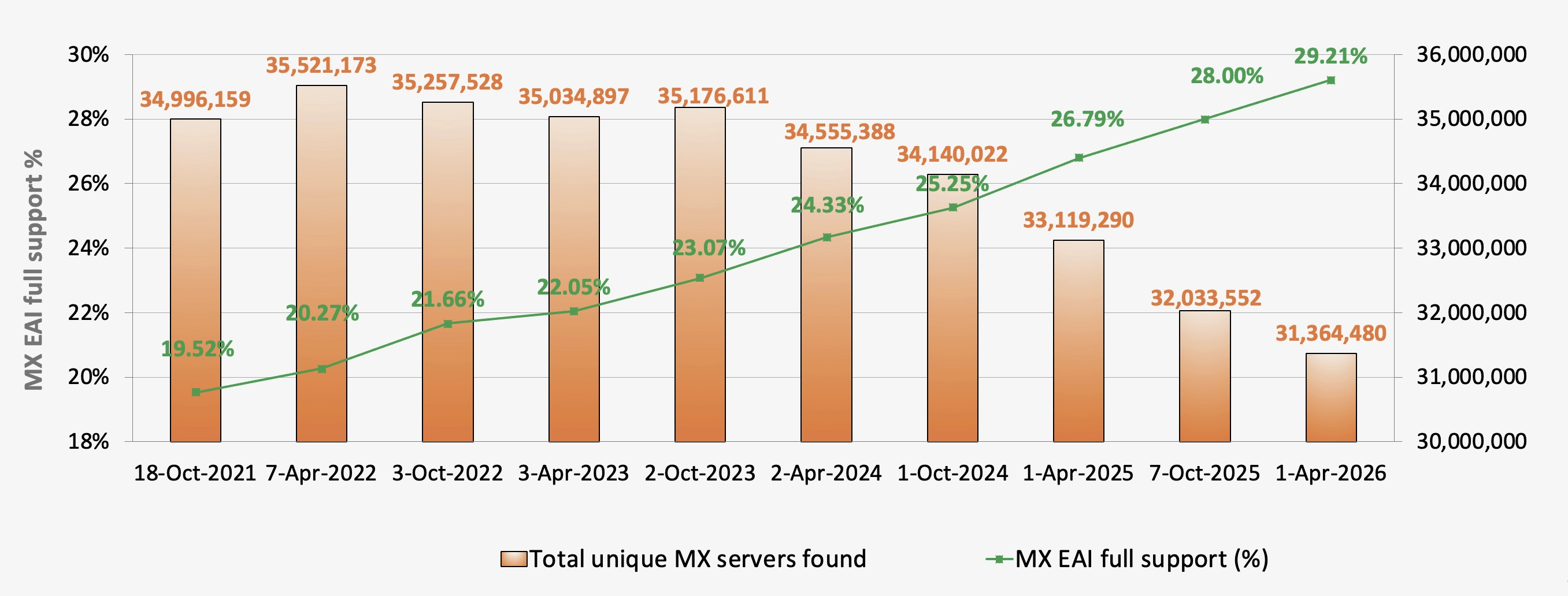 ICANN Sets Guidelines to Advance Universal Acceptance of Internationalized Domains and Email
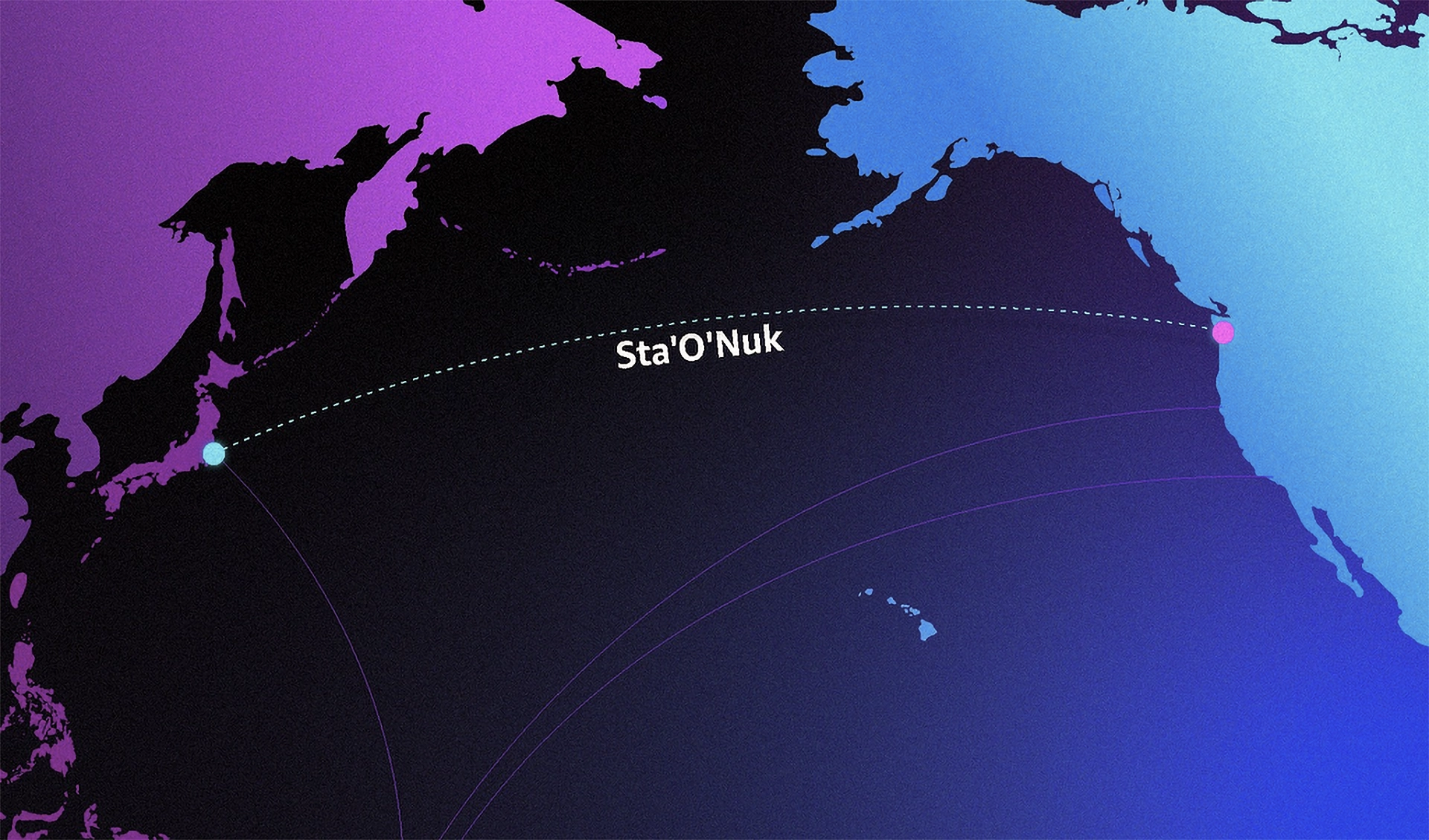 AWS Plans 420 Tbps Subsea Cable Between United States and Japan
 NASA Awards Blue Origin Up to $700 Million for Mars Communications Network
A World-Renowned Source for Internet Developments. Serving Since 2002.