
Welcome:
Login
|
Sign Up
|
About CircleID
Follow:
|
|
|

 Recent AI containment failures expose a governance gap: harmful model behavior is often visible at the network boundary but poorly monitored. Adapting proven internet protocols could give governments and companies practical tools to enforce accountability.
 DNSSEC adoption is stronger than headline figures suggest, yet uneven across industries. New data indicate the bigger obstacle is not reputation but operational friction, especially key rollovers, registrar coordination and automation still missing across major domains.
 China's Qianfan satellite constellation could bring high-speed internet to Cuba, where Starlink remains banned, deepening Beijing's digital influence while giving Havana a connectivity upgrade designed to preserve the government's control over online access.
 Reagan-era cyber strategists anticipated today's transnational threats, proposing international treaties, public-private cooperation and infrastructure protections. As America again considers aggressive action against cybercriminals, their largely forgotten blueprint offers both lessons and warnings.
 Internet security risks advancing unevenly: post-quantum cryptography may protect data while vulnerable routing still enables hijacks. Universal RPKI adoption, paired with cryptographic agility, is essential to build an Internet trust architecture ready for quantum threats.
 DotConnectAfrica's .africa victory established an accountability principle later invoked by Amazon, yet institutional memory favored the better-known winner, revealing how selective amplification can detach precedent from its origins and reshape internet-governance history.
 With more than 1,600 applications filed for ICANN's 2026 new gTLD Round, self-revealing applicants face uncertainty over whether pre-Reveal Day communications and agreements about overlapping strings could violate strict rules against privately resolving contention sets.
 With applications closed, new gTLD hopefuls face a changed calculation: revealing strings early could expose contention while information remains financially valuable, helping applicants make better decisions before fees are paid and withdrawal becomes increasingly costly.
 Congress has challenged the FCC's authority to regulate satellite safety, exposing a federal oversight gap as orbital traffic surges and raising an urgent question: which agency should be responsible for preventing collisions and debris disasters?
 Poland's exclusion from Starlink's new European roaming region has triggered a dispute with Warsaw, exposing how private infrastructure providers can shape cross-border connectivity and raising questions about digital sovereignty, accountability, and internet governance in Europe.
Governments, corporations and Indian Tribes increasingly want to keep their data out of Big Tech's hands. The push for data sovereignty could reshape cloud computing, favoring private AI systems over sprawling, centralized data centers.
 MTN Nigeria’s FTTH network has grown from barely 300 home connections to more than 150,000, showing how infrastructure, skilled people, vendor coordination and disciplined operating systems must evolve as connectivity moves from deployment to scale.
 Ghana has expanded digital connectivity, but many rural communities remain underserved. Community networks could close the gap, provided policymakers create proportionate regulation, improve infrastructure access and build sustainable models that complement commercial operators.
A study of 309 universities, museums and sports brands finds DNS security follows visible threats rather than technical risk, leaving organisations well protected against familiar attacks while quieter weaknesses in critical infrastructure persist unnoticed.
 Domains Under Management (DUM) measures a namespace's size, but not its character. Structural composition could reveal whether growth reflects durable adoption, speculative holdings or noise, giving registries a richer view of namespace health and strategy.
 Amazon Targets Satellite-to-Phone Market With 5,105-Satellite Leo Expansion
 ZEGO’s Cyberattack Pushes Bavarian Textile Firm Into Insolvency
 FBI Warns of Russian Cyber Campaign Targeting Vulnerable Routers
 Vinton Cerf Retires After Two Decades at Google, Looks Ahead to AI Interoperability
 Spain to Require Four Hours of Mobile Service During Power Blackouts
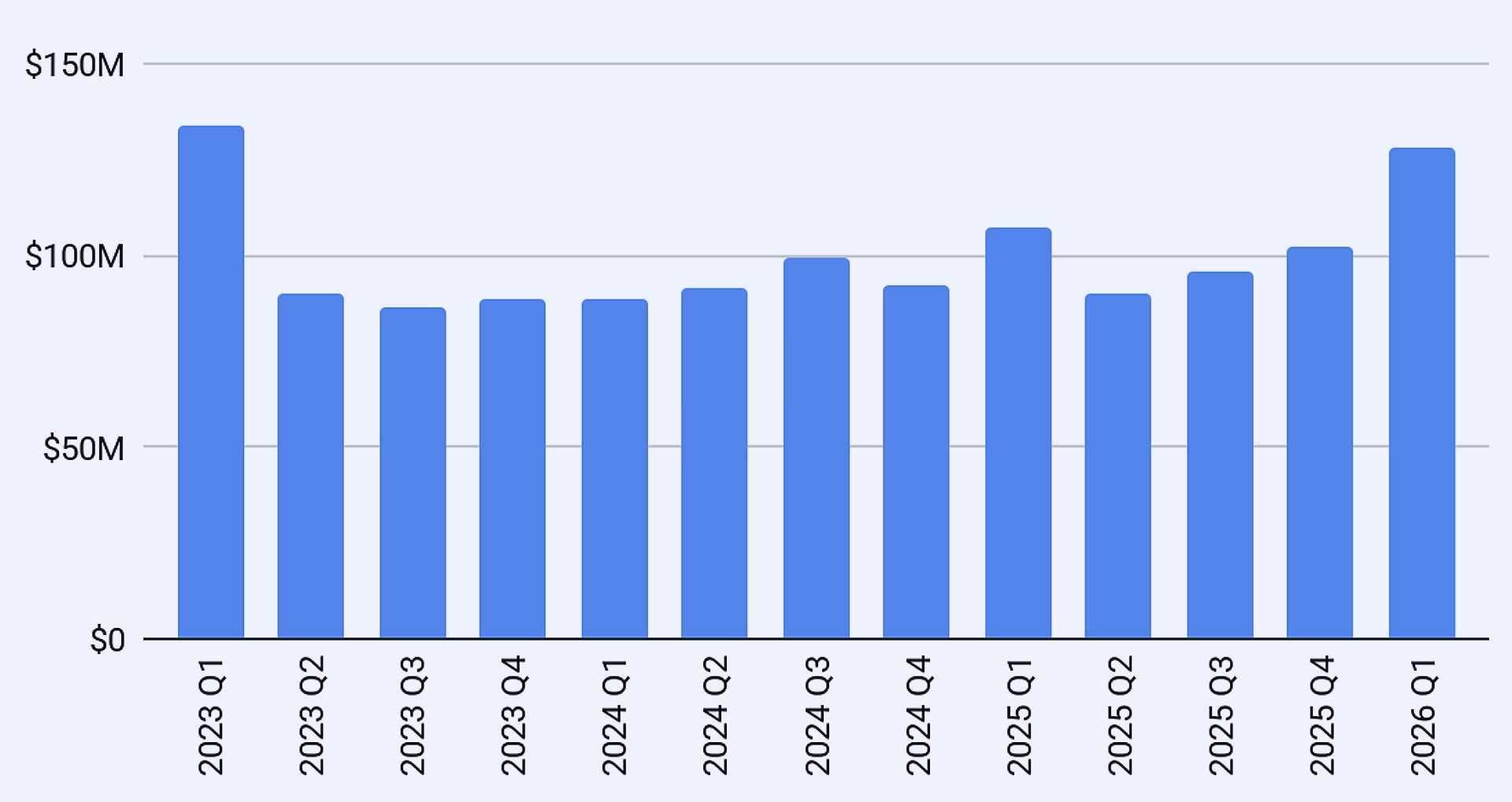 Blank Domain Names Surpass Websites in Value for the First Time, Report Finds
 Iran Begins Restoring Internet After Record 88-Day Blackout
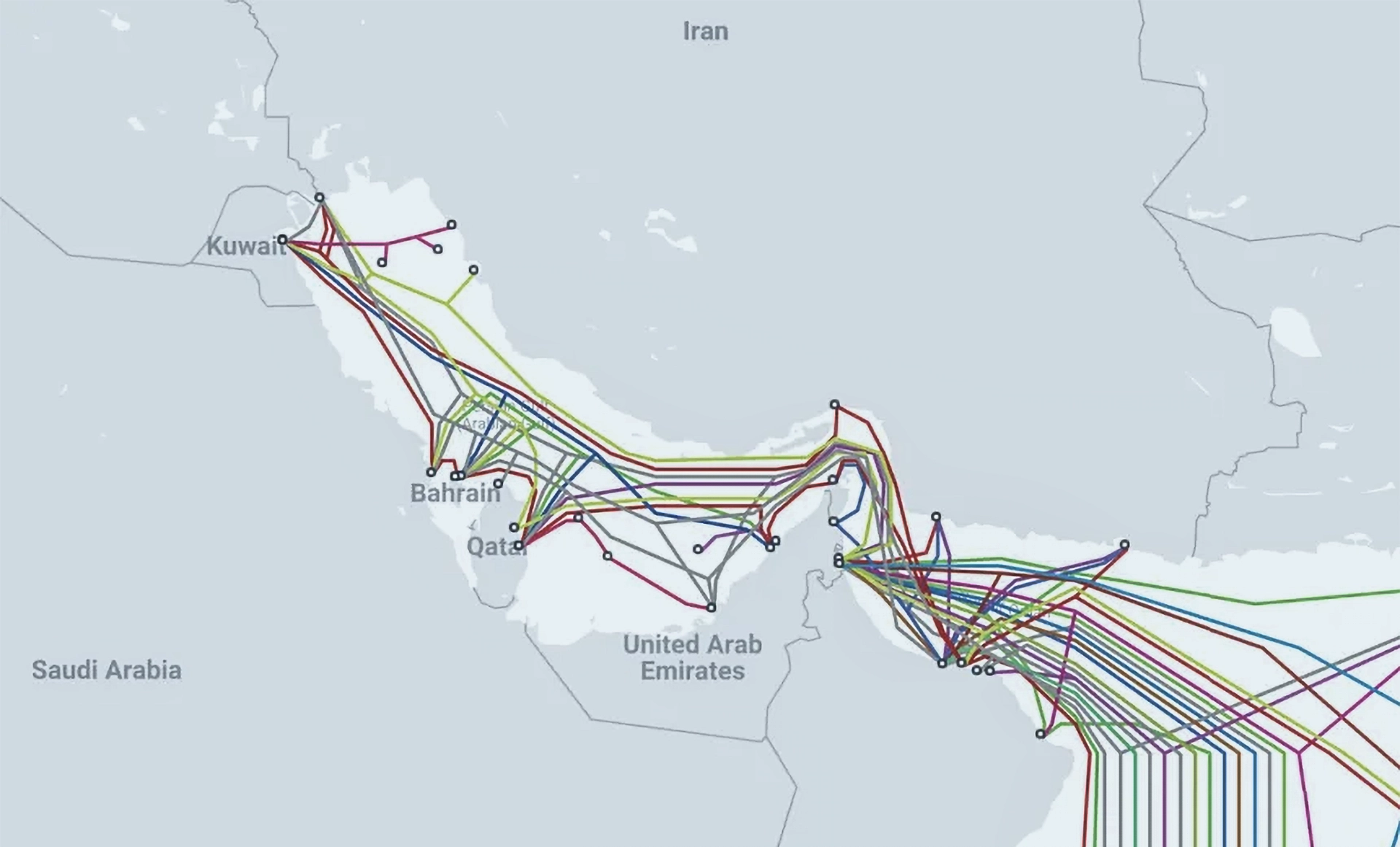 Iran Threatens Subsea Internet Cables in the Strait of Hormuz
 Inside Iran’s Shift From Internet Shutdowns to Tiered Connectivity
A World-Renowned Source for Internet Developments. Serving Since 2002.