
Welcome:
Login
|
Sign Up
|
About CircleID
Follow:
|
|
|

 As ICANN confronts a harsher geopolitical era, its long-delayed review of the UDRP has become a defining test of whether the multistakeholder model can still deliver legitimate, effective Internet governance and sustain confidence in its future.
 As cross-border cyber enforcement falters, critics argue Article 19's DNS abuse framework prioritizes procedural purity over user protection, leaving courts too slow to counter AI-driven phishing, rapid-flux domains, and increasingly automated online threats.
 Recent court rulings in Europe and America are reshaping access to technical standards, weakening paywalls and strengthening the principle that publicly mandated knowledge belongs to citizens, regulators and increasingly AI systems that depend on machine-readable information.
As cross-border enforcement falters, dynamic injunctions are reshaping internet governance, allowing authorities to update blocking lists in real time and prioritize access deterrence over slow, often futile source takedowns across fragmented global legal regimes.
America's Supreme Court, in Cox v Sony, recast online copyright liability, effectively sidelining the DMCA safe harbor and replacing it with a narrow inducement standard that leaves service providers little obligation to meaningfully police infringement.
 A dispute over African IP governance exposes a flaw in the RIR system, where thin policy, weak accountability and institutional self preservation risk overriding running networks and undermining the technical legitimacy that sustained global coordination.
 The UN's new permanent cybersecurity mechanism promises continuity after decades of fleeting forums, yet risks irrelevance unless states enforce existing law, bridge cybercrime divides, address AI threats, build practical capacity, and include non-state expertise meaningfully.
 Cox v. Sony narrows intermediary liability, insisting on intent over knowledge. In doing so, it preserves infrastructure neutrality, resists privatized enforcement, and sharpens a growing divide between American and European models of Internet governance.
Regional Internet registries, built for coordination, now sit atop scarce IPv4 assets while bearing little liability, suppressing capitalization and imposing "double extraction" that weakens operators, distorts markets and threatens the stability of global internet uniqueness.
 Efforts to combat online piracy are pushing courts to weaponise the Internet's naming system. Turning DNS operators into enforcement agents may deliver quick takedowns, but risks collateral damage, jurisdictional conflict and long-term fragmentation of the Internet.
 At Munich's twin security gatherings, leaders warned that cyber conflict, transatlantic rifts and weaponised AI are pushing the rules-based order into a perilous transition, where deterrence falters, norms erode and digital sovereignty trumps multistakeholder ideals.
A three-decade natural experiment suggests America's centralized regulatory review fostered far greater wealth creation than Europe's precautionary principle, raising stark questions about whether importing EU-style AI rules would undermine US innovation and prosperity.
 SpaceX has filed a plan to place more than a million satellites in low Earth orbit, recasting data centres as spaceborne infrastructure while testing regulators, safety, competition and the line between vision and paper ambition.
Poland thwarted a large-scale cyberattack on its energy grid without disruption, offering a rare case study in critical infrastructure resilience, decentralised energy governance, and the balancing act between openness and digital security.
 Internet governance is shifting from participatory forums to security-driven mandates. As authority accelerates ahead of legitimacy, technical systems face growing instability and operators absorb the risks of politically motivated control.
 US Senators Move to Shield Undersea Internet Cables from Global Threats
 Colombia Avoids $350 Million Lawsuit Over “.co” Domain Dispute
 South Korean Telecom Giant KT Corporation Accused of Infecting 600,000 Users with Malware Over Torrent Use
 French Court Orders Google, Cloudflare, Cisco to Poison DNS in Anti-Piracy Crackdown
 UK Online Safety Act Becomes Law Amid Controversy
 Online Safety Bill: UK’s Digital Overhaul
 The Hague to Probe Cyberwarfare Under Existing International Law
 EU Lawmakers Call for Further Talks to Strengthen Proposed US Data Transfer Pact
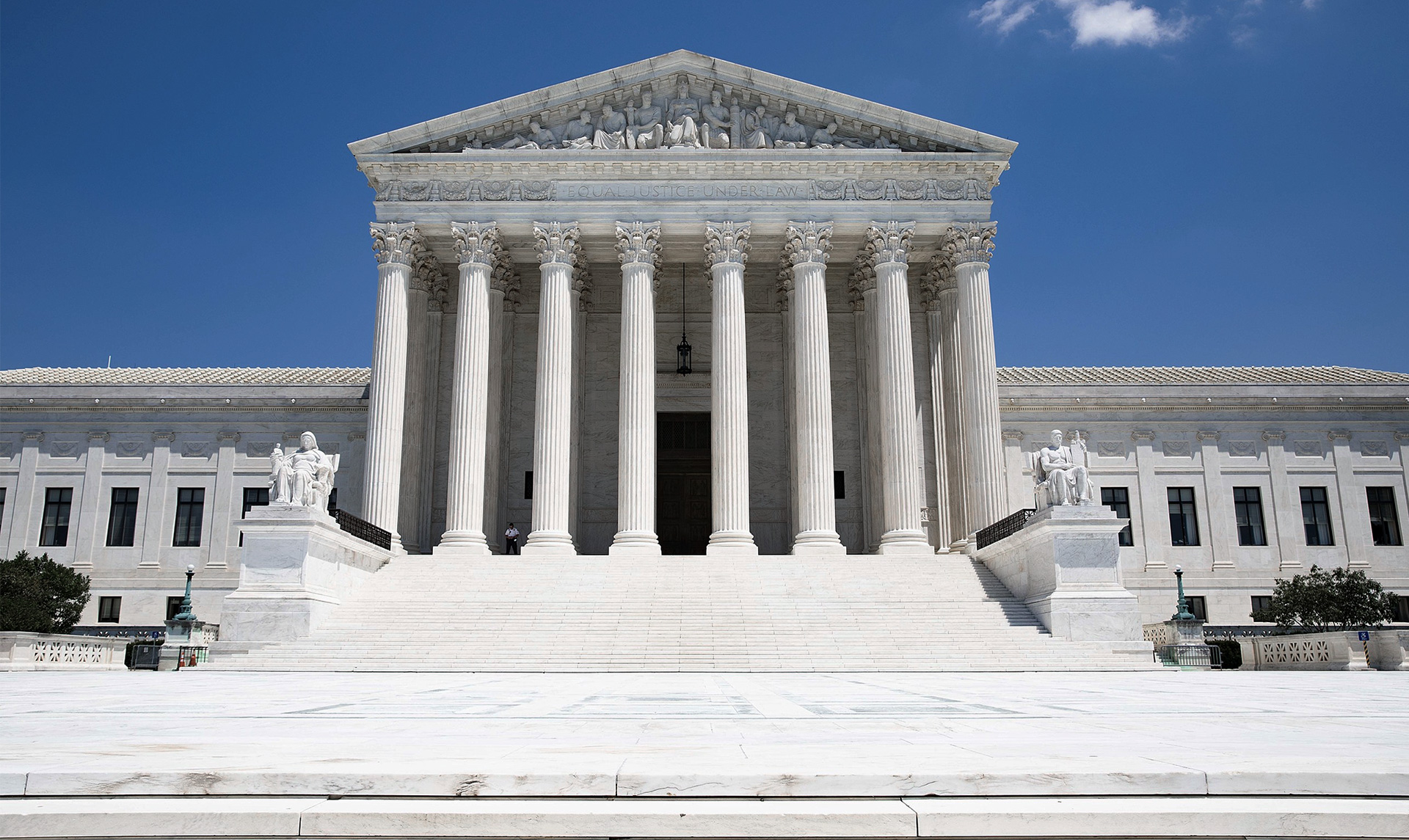 Supreme Court Declines to Hear Wikimedia Foundation’s Challenge to NSA Surveillance
A World-Renowned Source for Internet Developments. Serving Since 2002.