
Welcome:
Login
|
Sign Up
|
About CircleID
Follow:
|
|
|

 Canada's online pharmacy industry is urging a ban on unregulated peptide sales, warning that products marketed for weight loss, bodybuilding and other uses pose serious health risks, evade regulatory oversight, and are increasingly sold online without prescriptions.
 As AI reshapes the digital world, online safety depends on balancing smarter protection with growing risks. From cybersecurity to privacy concerns, understanding AI's role can help users stay secure, informed, and resilient online.
Fake news spreads quickly online, fueling distrust, manipulation, and conflict. As AI-generated content grows more sophisticated, media literacy, fact-checking, and vigilance are essential to protecting online safety and preserving trust in information.
 Fake recruitment websites exploiting India's young job seekers are proliferating, exposing millions to identity theft, financial fraud and malware while regulators, registrars and digital literacy programs struggle to keep pace with a growing labor market.
Across Asia Pacific, millions are excluded from digital services because systems fail to recognise non Latin scripts, exposing how flawed design assumptions about internet users entrench inequality across the region in welfare, finance and education.
 Global internet use has surpassed six billion users, yet stark divides persist between regions, genders and urban-rural populations. Meanwhile, download speeds have surged and smartphones now dominate how people access the web worldwide.
 As AI transforms how users search, the domain name is evolving from a traffic destination into a trust signal - crucial for citation, identity, and authority in an Internet shaped by machine-mediated discovery.
As smartphones become the primary gateway to the internet for billions, a critical question emerges: does app-based digital fluency prepare users for the demands of computer-based work in a modern economy?
The Internet is evolving far beyond screens and smartphones. A proposed seven-stage framework anticipates a future shaped by autonomous agents, sensory wearables, global connectivity, and quantum networks redefining how humans interact with the digital world.
 The hiQ ruling erased legal protections against commercial scraping, leaving infrastructure providers to absorb escalating costs. Without federal action defining data misappropriation, a free-rider AI economy could undermine open networks, investment, and long-term data integrity.
 Artificial intelligence is transforming Africa's informal economy by improving access to finance, optimizing business operations, and helping small-scale entrepreneurs transition into the formal sector, despite challenges such as digital illiteracy and infrastructure gaps.
 The Secure Hosting Alliance has introduced a certification programme to establish clear, verifiable standards for internet hosting providers, aiming to improve accountability, boost transparency, and strengthen the trust that underpins global online infrastructure.
 Around the world, communities are racing to close the digital divide. From fiber deployments in rural areas to affordable smartphones and digital skills training, the goal is clear: connect the unconnected. But as we pursue that goal, a deeper question emerges that demands just as much urgency as infrastructure: When people get online, can they actually participate in the digital world?
 The international community has long struggled with the challenge of translating international law into actionable norms and practices in cyberspace. The conclusion of the United Nations Open-Ended Working Group (OEWG) on the security of and in the use of information and communications technologies 2021-2025 marks a vital milestone in that ongoing process.
 At first glance, this book looks like another history of the Internet, but it is much, much more. The authors use their engineering and scholarly understanding of what constitutes Internet history to identify forks in the digital road and key past decisions that shaped the Internet's path. The first part of the book maps out the core technical and policy decisions that created the Internet.
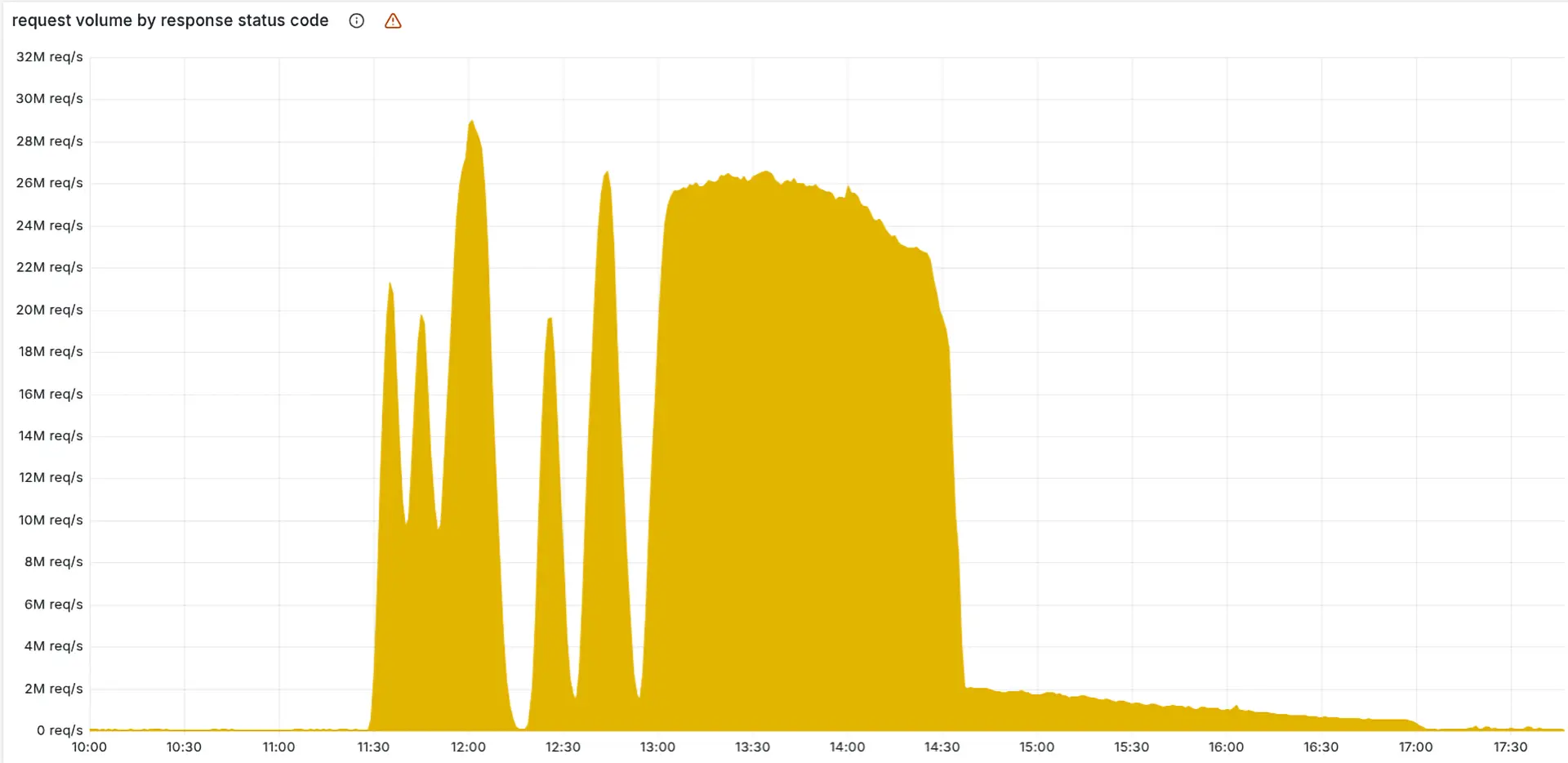 Configuration Chaos: Cloudflare Explains Major Outage in Detailed Post-Mortem
 Cloudflare Outage Highlights Internet’s Growing Single Points of Failure
 Massive AWS Outage Disrupts Global Internet, Services Restored After DNS Failure
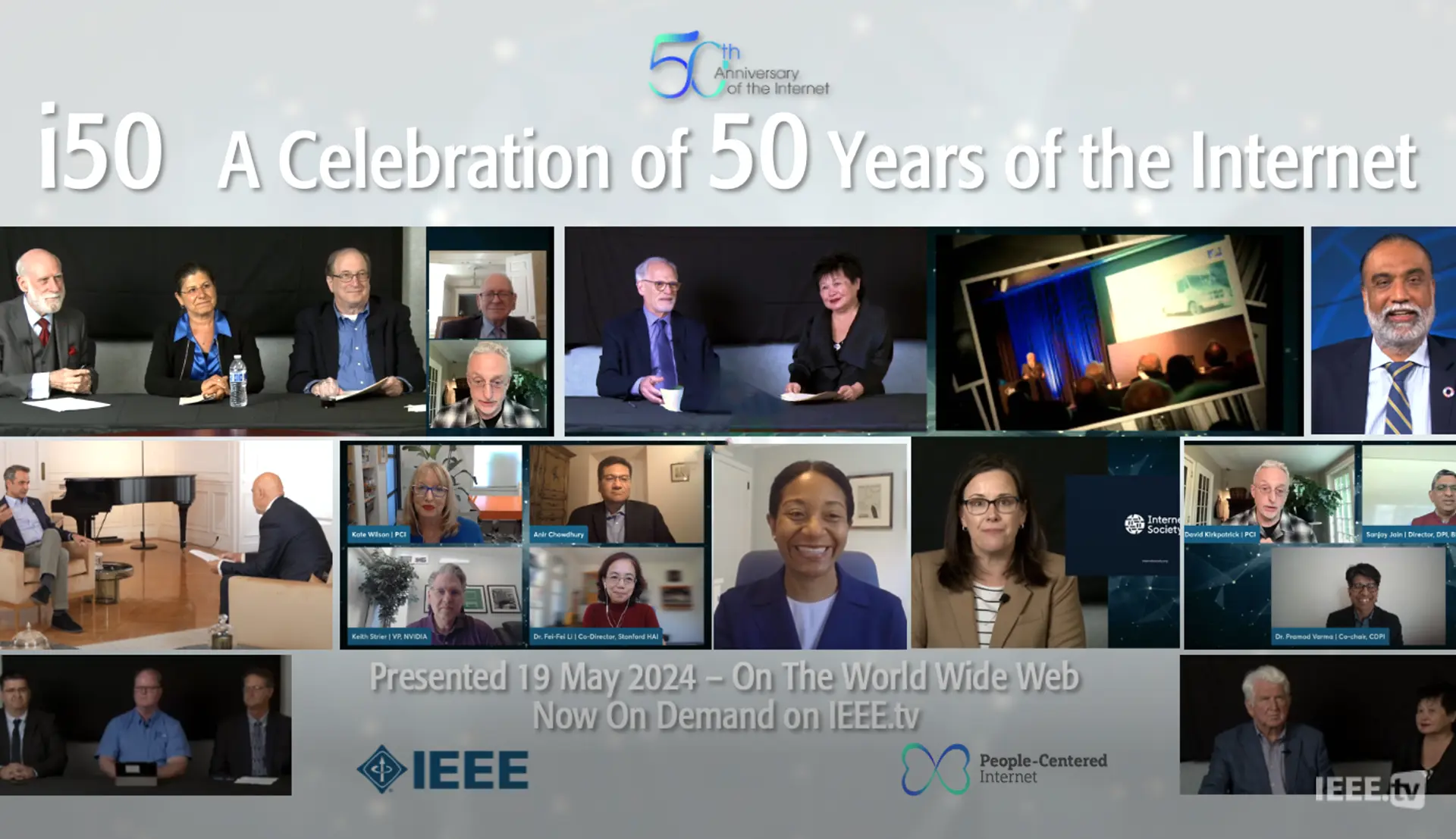 Internet’s 50th Anniversary Celebrated Worldwide with IEEE Event
 Mozilla Launches Monitor Plus, A Comprehensive Privacy Service
 NSA Admits Purchasing Americans’ Internet Browsing Data Without Warrants
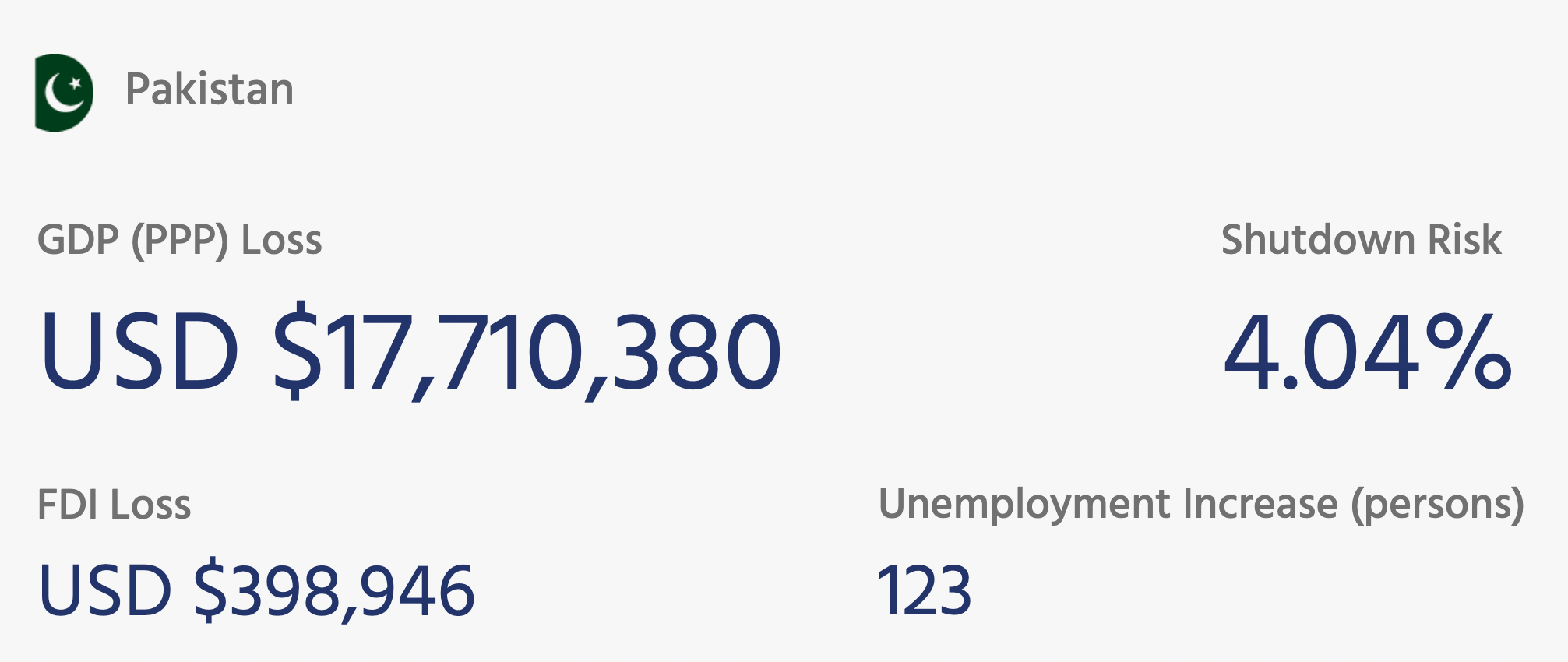 Quantifying Internet Shutdowns: ISOC Introduces the NetLoss Calculator
 Celebrating 30 Years Since the World Wide Web Was Released to the Public
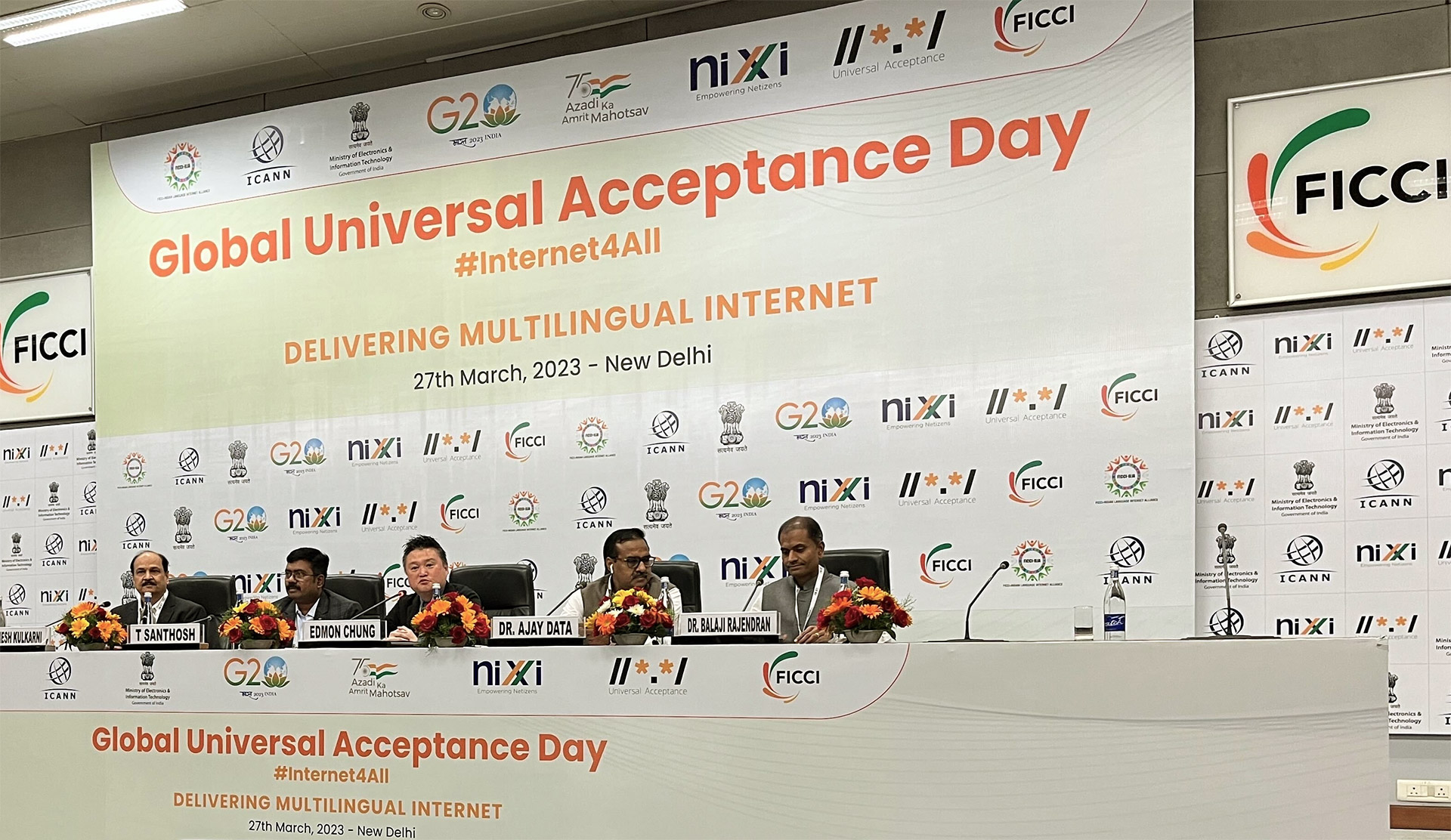 Government of India, MeitY Organizes 2-Day Event to Promote Universal Acceptance and Multilingual Internet
 Europol Warns on the Criminal Usage of ChatGPT and Its Implications for Law Enforcement
 Gordon E. Moore, Co-Founder of Intel and Father of Moore’s Law, Passes Away at 94
A World-Renowned Source for Internet Developments. Serving Since 2002.