
Welcome:
Login
|
Sign Up
|
About CircleID
Follow:
|
|
|

Iran's regime has all but nullified, for the most part, Elon Musk's Starlink satellite network using advanced jamming, legal threats, and raids, turning a promising tool for protestors into a cautionary tale of digital authoritarianism. more
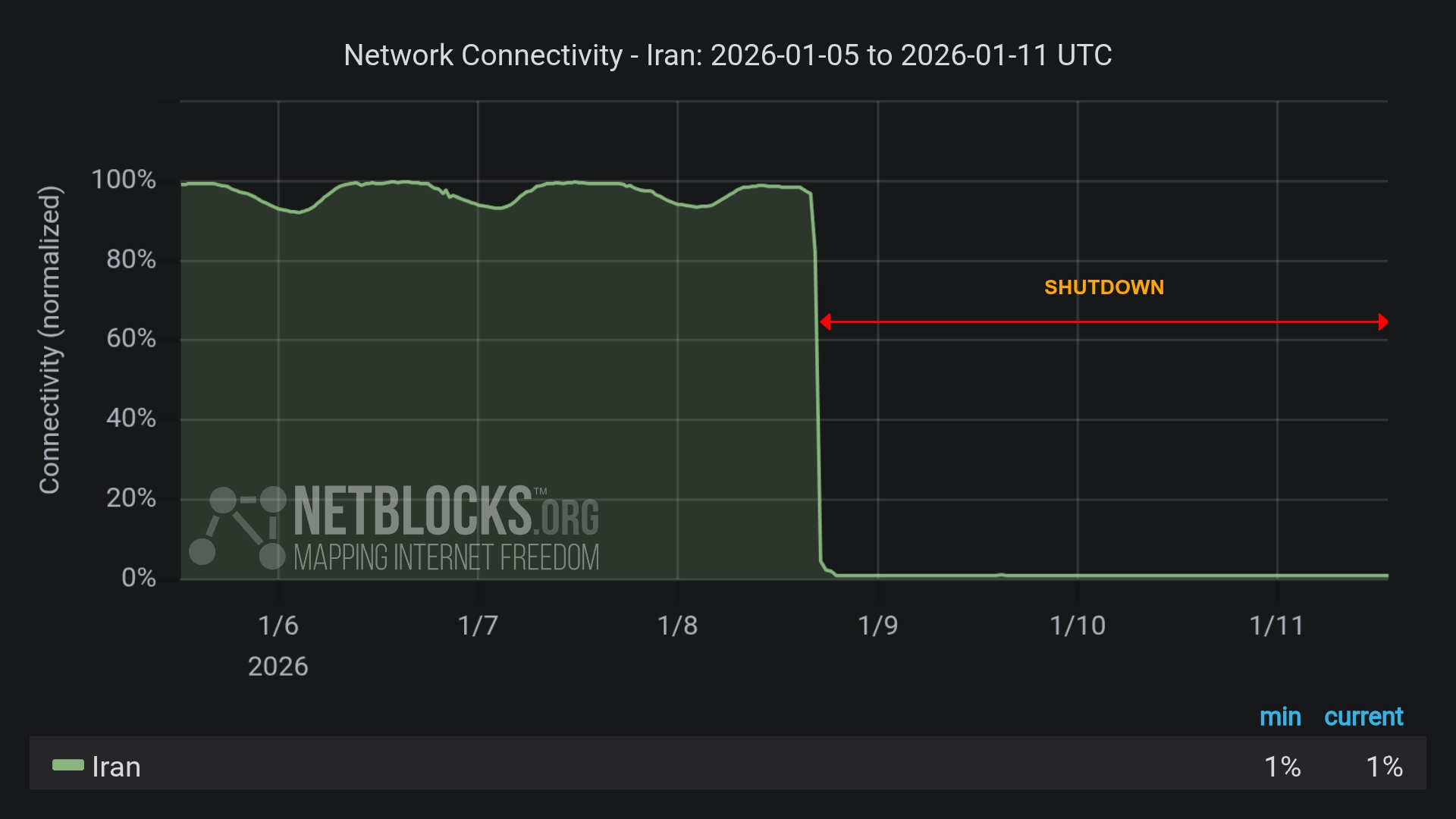 Iran has imposed a sweeping internet blackout amid nationwide protests, disrupting even Starlink satellite service. The move marks a new level of digital repression, raising fears of an impending crackdown shielded from global view. more
ICANN will open applications for new top-level domains in April 2026, offering brands a rare chance to secure custom domain names to enhance trust, marketing flexibility, and long-term online security. more
As AI systems take on critical roles in telecommunications, global regulatory frameworks remain outdated and fragmented, leaving essential infrastructure vulnerable to novel risks that current laws on cybersecurity and data protection fail to address. more
The NANOG 95 conference spotlighted breakthroughs in fibre optics, wireless technology, routing security, and quantum computing, offering a forward-looking assessment of internet infrastructure and its vulnerabilities, as reported by APNIC's Geoff Huston. more
AWS is introducing Route 53 Accelerated Recovery to help organizations maintain DNS control during regional outages, offering a 60-minute recovery objective and sustained access to key API operations for critical updates and traffic management. more
 A bipartisan Senate bill seeks to strengthen U.S. oversight and global coordination to protect undersea fiber-optic cables, vital infrastructure increasingly targeted by geopolitical adversaries, natural disasters, and cyber or physical sabotage. more
Global eSIM connections are projected to reach 4.9 billion by 2030, driven by China's rapid adoption, new provisioning standards, and growing demand across smartphones, industrial devices, and the expanding Internet of Things ecosystem. more
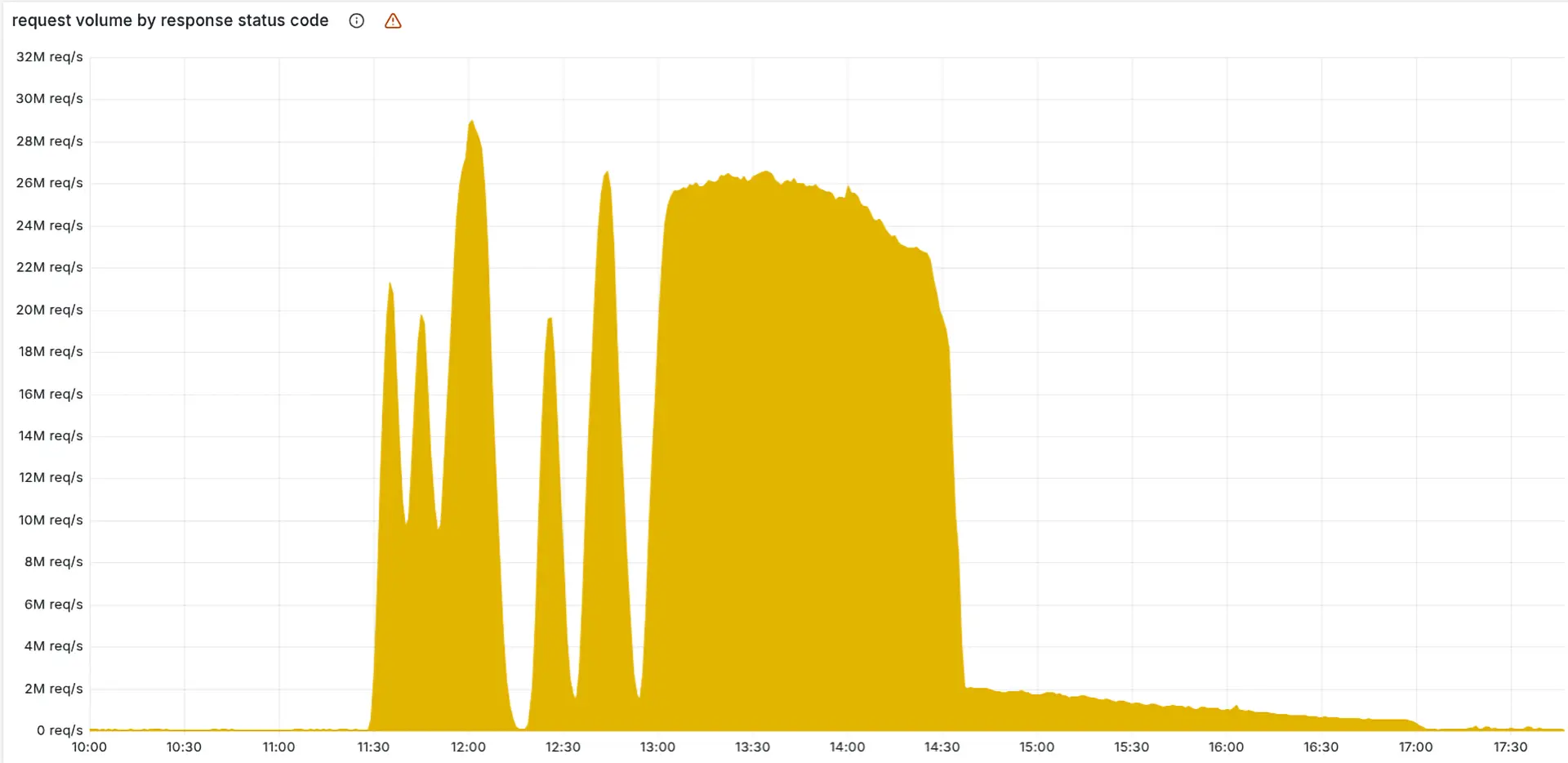 Cloudflare has detailed the cause of a global outage in a post-mortem report, revealing that a flawed internal database change -- not a cyberattack -- caused widespread service disruption across its network and customer systems. more
 Cloudflare's global outage caused cascading failures across the internet, reigniting concerns about the concentration of web infrastructure and the urgent need for more resilient, transparent systems to support critical online services. more
A Chinese-linked cyberattack exploited Anthropic's Claude AI to infiltrate global institutions with limited human input, prompting urgent calls for regulation and sparking debate over the growing autonomy of artificial intelligence in digital threats. more
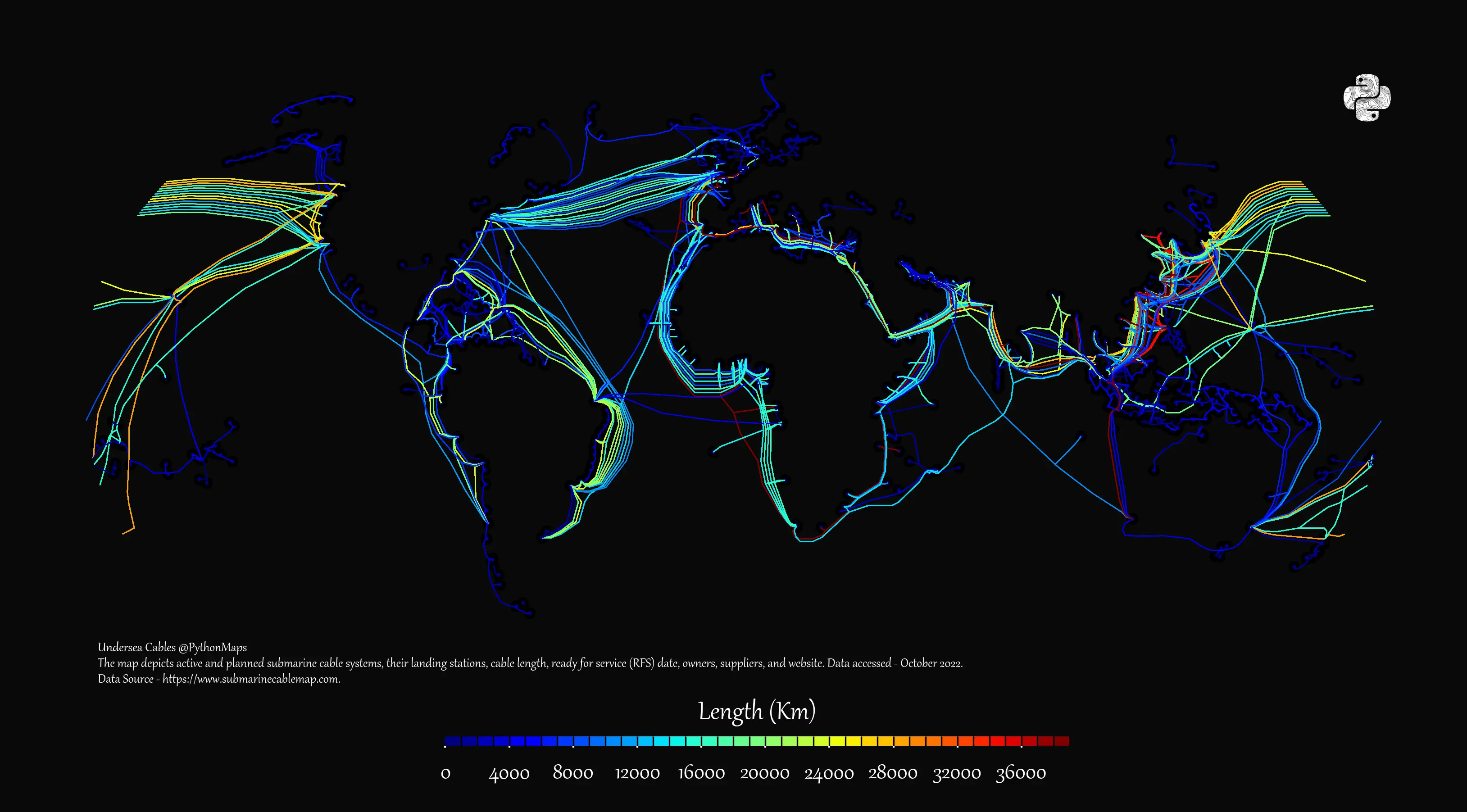 As AI accelerates global data demand, tech giants are investing heavily in subsea cables. These critical networks face rising geopolitical scrutiny and security risks, reshaping the future of digital infrastructure and global connectivity. more
Alice Munyua criticises ICANN's support for a proposed African internet governance overhaul, arguing it undermines multistakeholder principles and sets a dangerous precedent of political interference in global internet infrastructure. more
Google's Threat Intelligence Group reveals that hackers are integrating AI models directly into malware, enabling live code mutation, stealthier operations, and dynamic payload execution while exploiting AI tools through deceptive prompts and underground marketplaces. more
 Verizon and AWS have deepened their collaboration to build dedicated fiber infrastructure, addressing the growing need for low-latency, high-capacity connectivity to support the rapid expansion of enterprise-scale artificial intelligence workloads. more
Sponsored byVerisign

Sponsored byRadix

Sponsored byDNIB.com

Sponsored byIPv4.Global

Sponsored byVerisign

Sponsored byCSC

Sponsored byWhoisXML API

A World-Renowned Source for Internet Developments. Serving Since 2002.